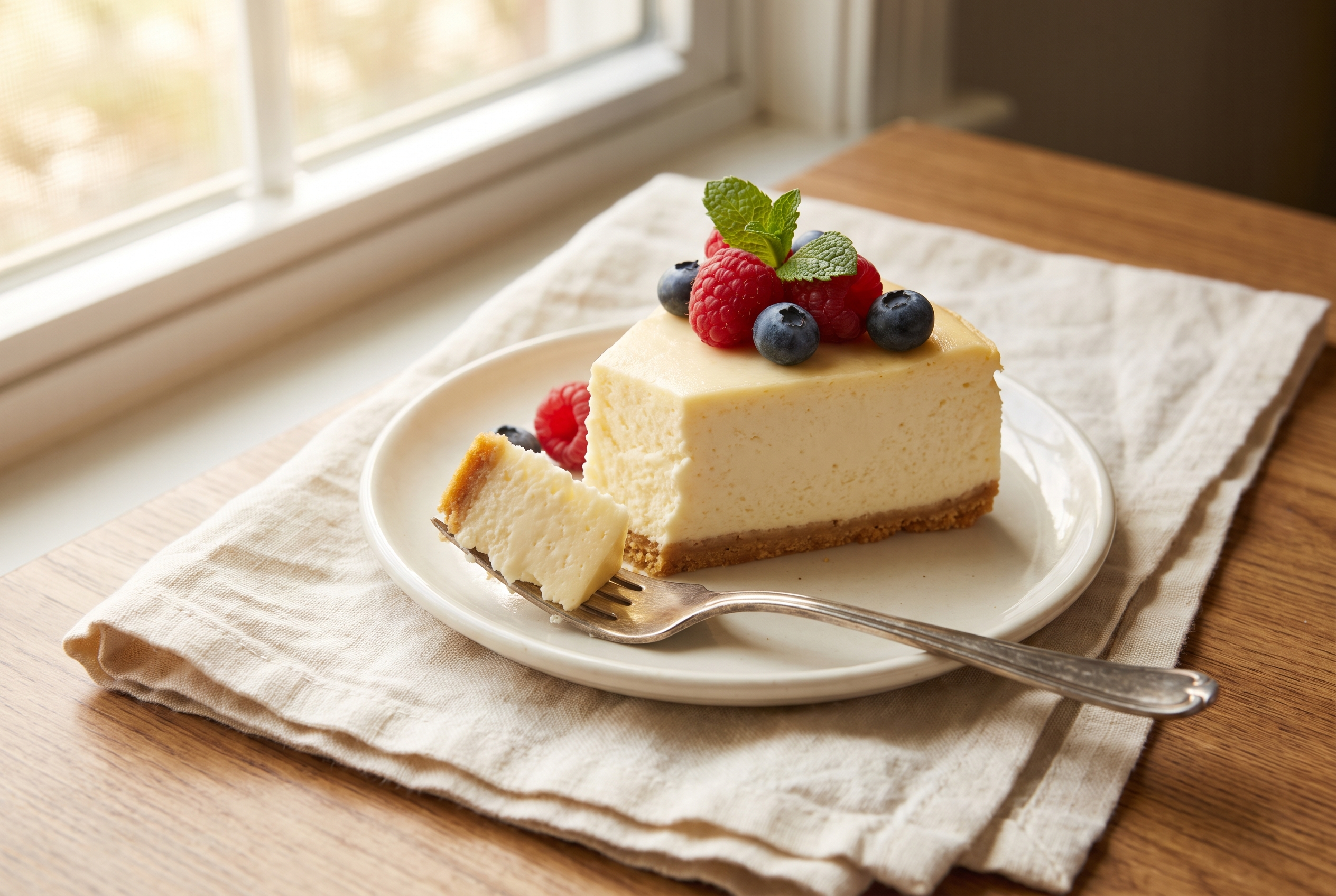
Cottage Cheese Cheesecake (Creamy, High Protein, 18g a Slice)
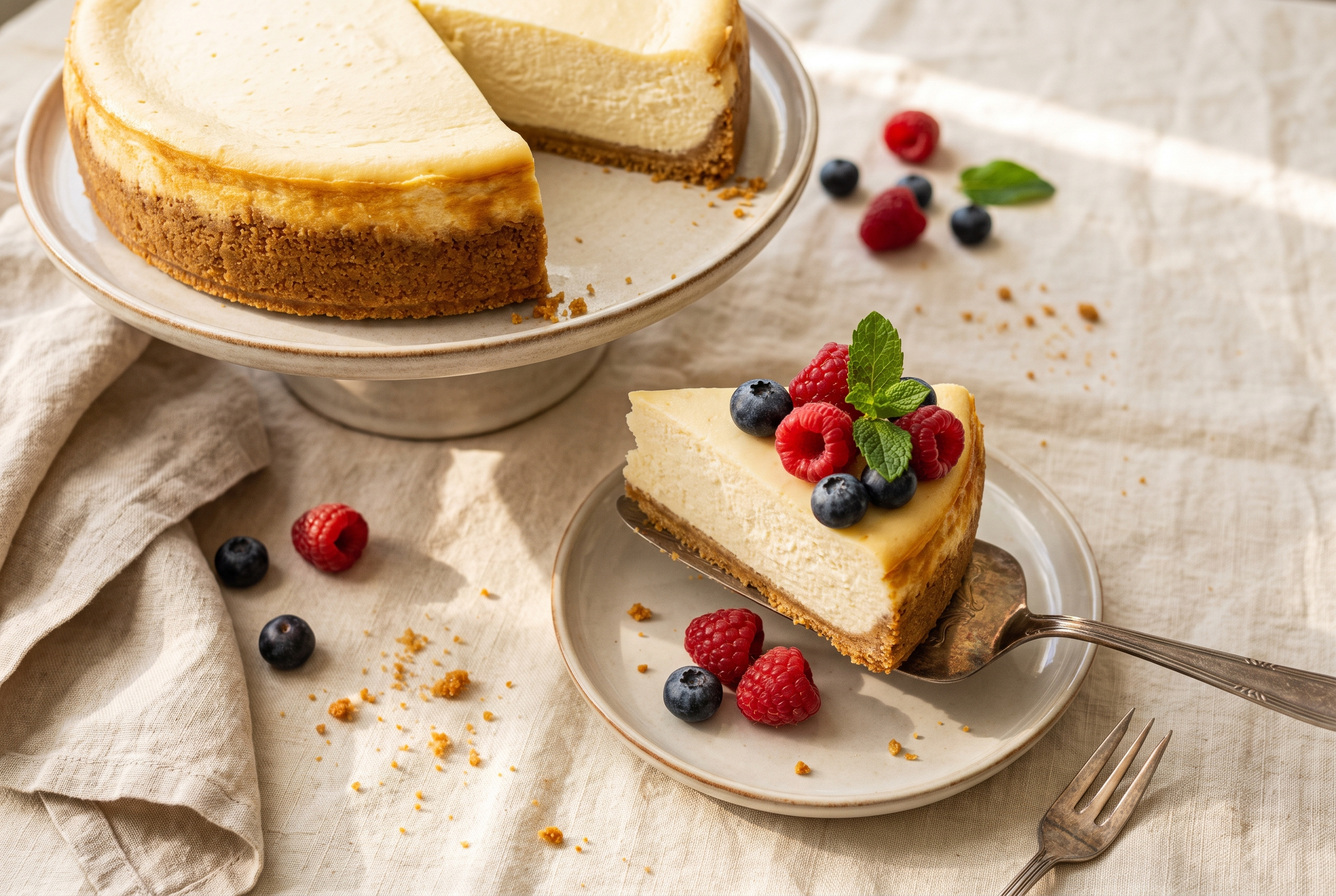
Cottage cheese cheesecake is the recipe I was most skeptical about and now make most often — blended cottage cheese and Greek yogurt bake into a cheesecake that is silky, tangy and dense in the right way, with 18 grams of protein and 230 calories a slice.
There is no cream cheese in it. There is no water bath. You blend everything smooth, pour it over a thin graham crust, bake it for 45 minutes and chill it. I have served it to people who hate cottage cheese and none of them guessed; it is, by a mile, the healthy dessert recipe that gets the most repeat requests in my kitchen.
 Save recipes like this straight from TikTok and plan your week in minutes with RecipeLoop, the free AI meal planner.
Why this works when so many "healthy" cheesecakes do not.
- The blender fixes the texture completely. Two full minutes on high turns curdy cottage cheese into something as smooth as cream cheese. It is the exact trick behind my chocolate cottage cheese mousse, and once the curds are gone, the cheesecake tastes like cheesecake — bright, creamy, a little tangy.
- Eighteen grams of protein a slice. Cottage cheese, Greek yogurt and eggs are the entire base, so the protein is built in rather than stirred in as powder. Compare a slice on the protein calculator to a classic cheesecake at 6g and 450 calories and you will see why this one earns a spot in a high protein desserts rotation.
- It is forgiving. No water bath, no cracking panic, no springform leaks. A slightly low oven and a long chill do the work, the same way my pumpkin cheesecake bars come out clean every time.
Here's what you'll need.
Full-fat cottage cheese (4% — it matters), plain Greek yogurt, eggs, sugar, vanilla, cornstarch, lemon zest and a pinch of salt for the filling; graham cracker crumbs and melted butter for the crust; fresh berries on top.
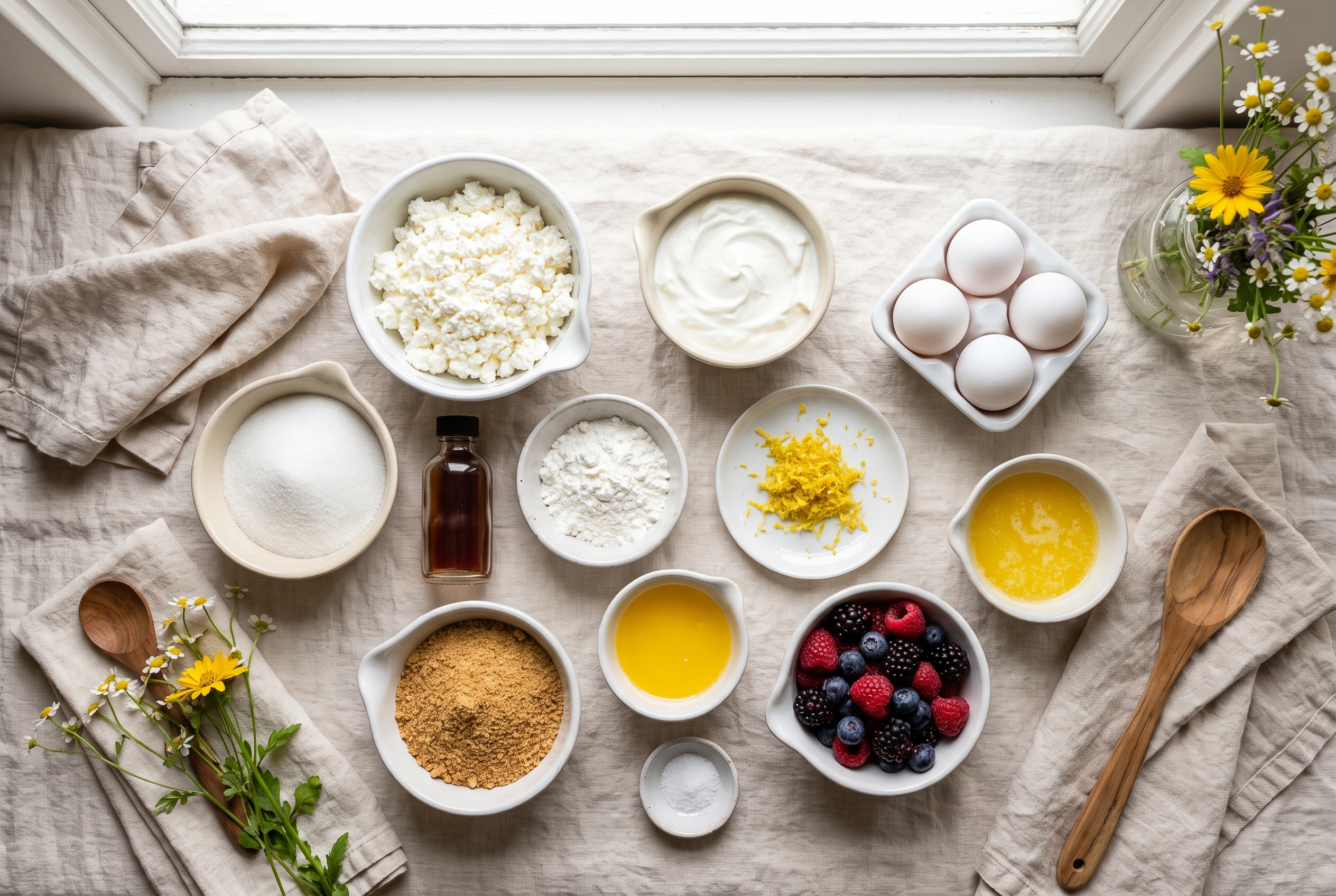
Here's how it all comes together.
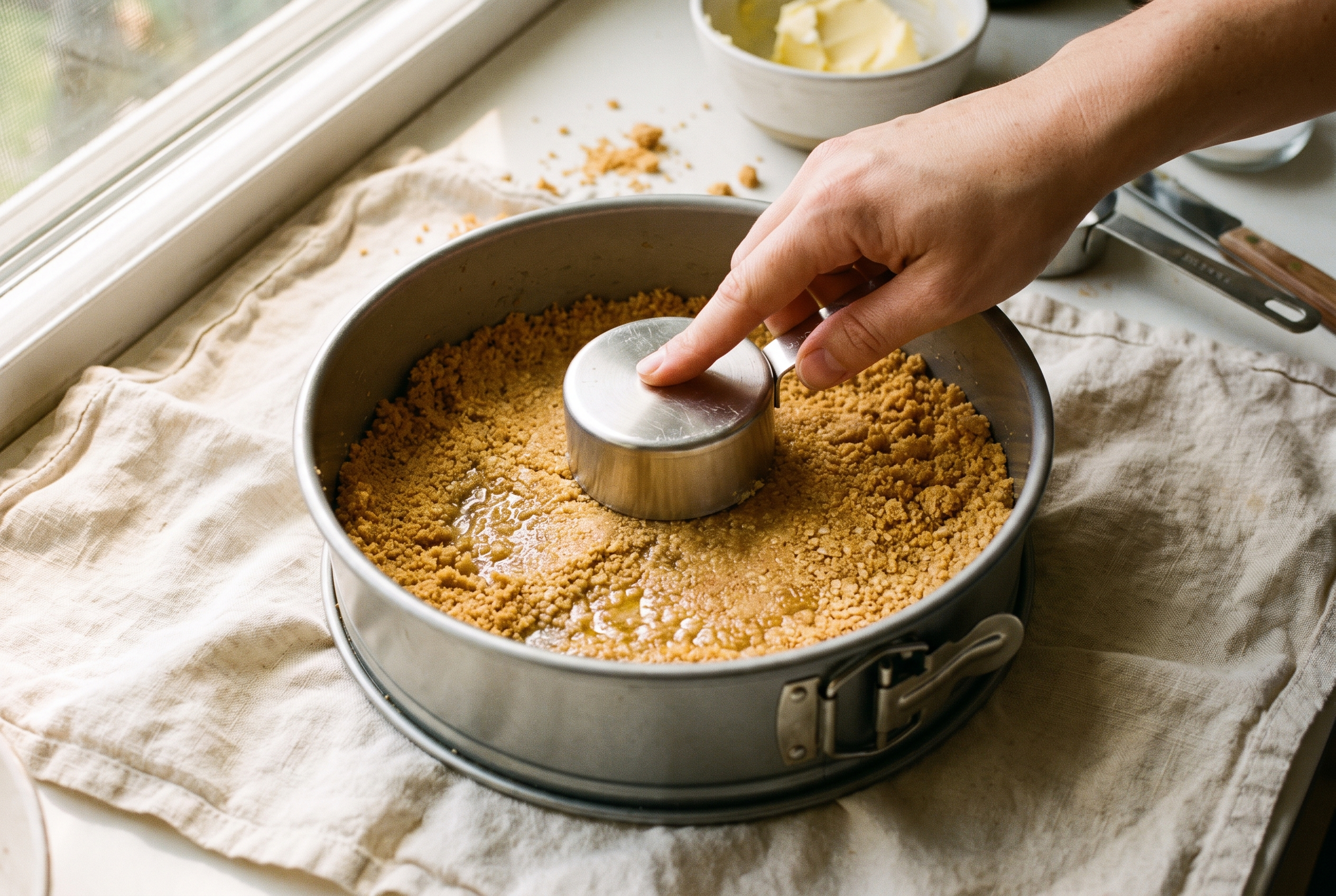
Heat the oven to 325°F. Stir the graham crumbs, melted butter and a tablespoon of sugar together until they look like wet sand, tip them into a 9-inch springform pan, and press them flat and even with the bottom of a measuring cup. Bake 8 minutes, then set aside while you make the filling.
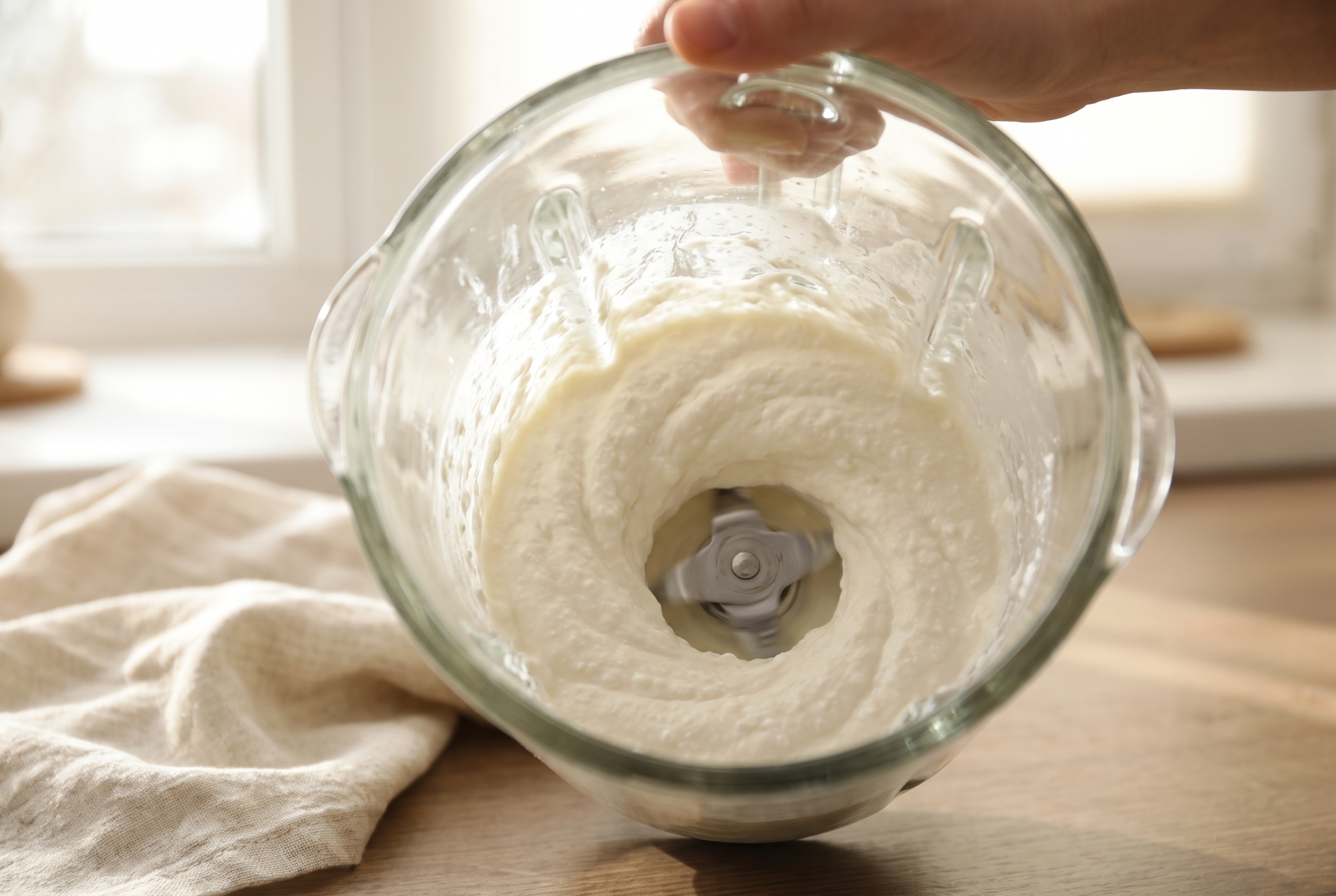
Put the cottage cheese in a blender on its own and run it on high for a full 2 minutes, scraping down once. Stop when you rub a little between your fingers and feel no grain at all. This is the step that decides whether the cheesecake is silky or slightly gritty — do not shorten it.
Add the Greek yogurt, sugar, eggs, vanilla, cornstarch, lemon zest and salt and blend on low just until combined, 20 to 30 seconds. Low speed here — blending eggs on high whips in air, and air is what makes a cheesecake puff, then crack and sink.
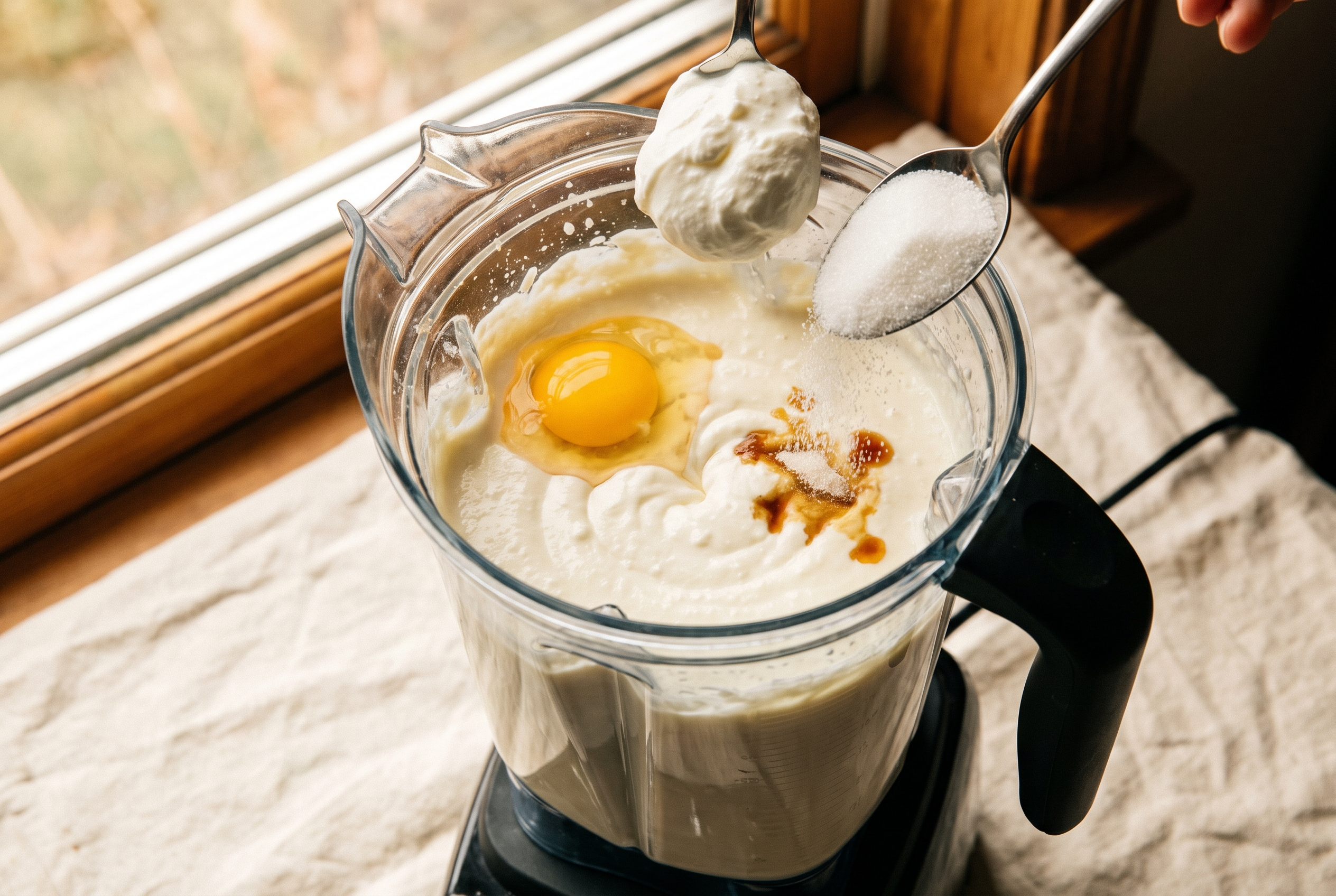
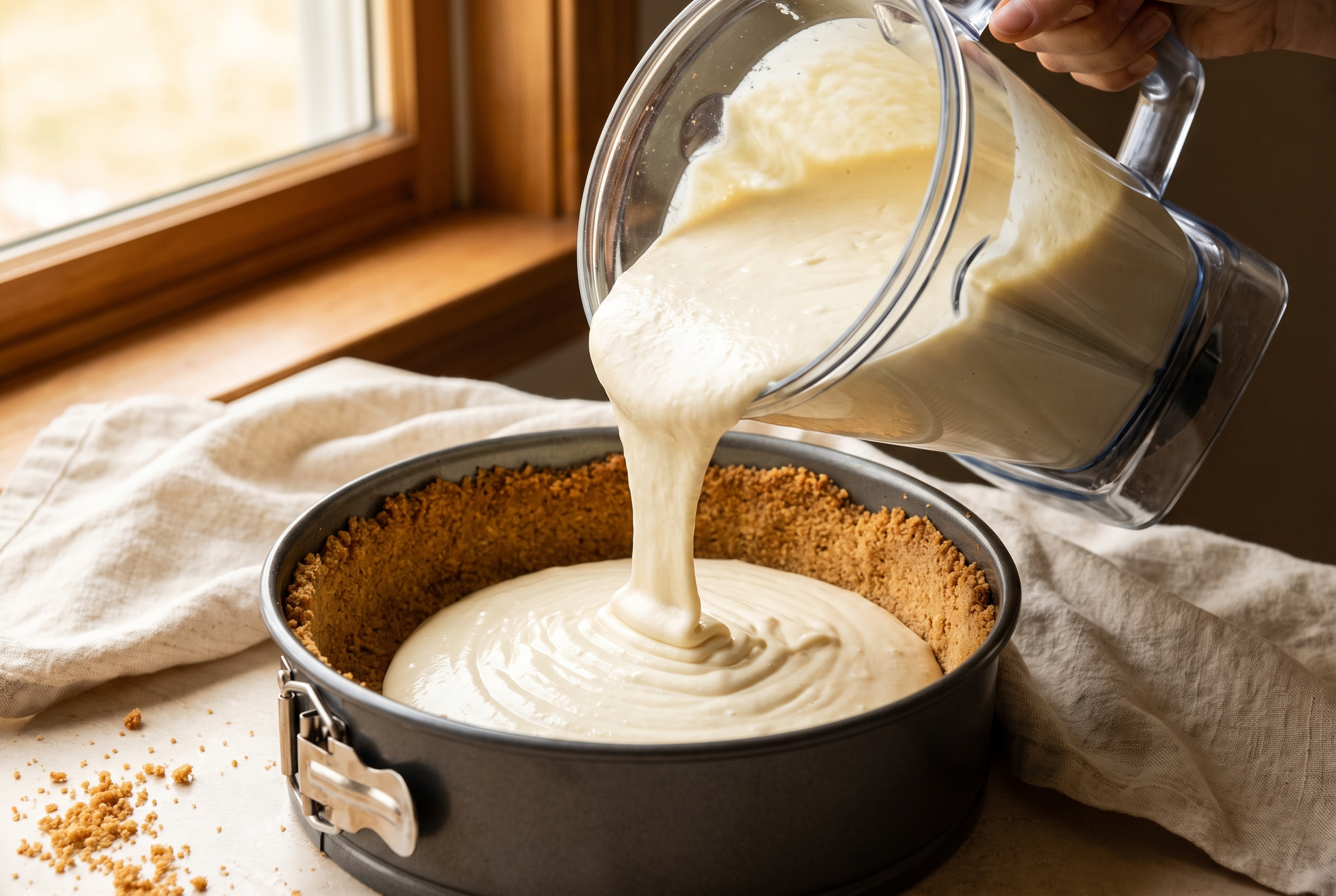
Pour the filling over the warm crust and tap the pan firmly on the counter a few times to bring any bubbles up. Smooth the top with a spatula.
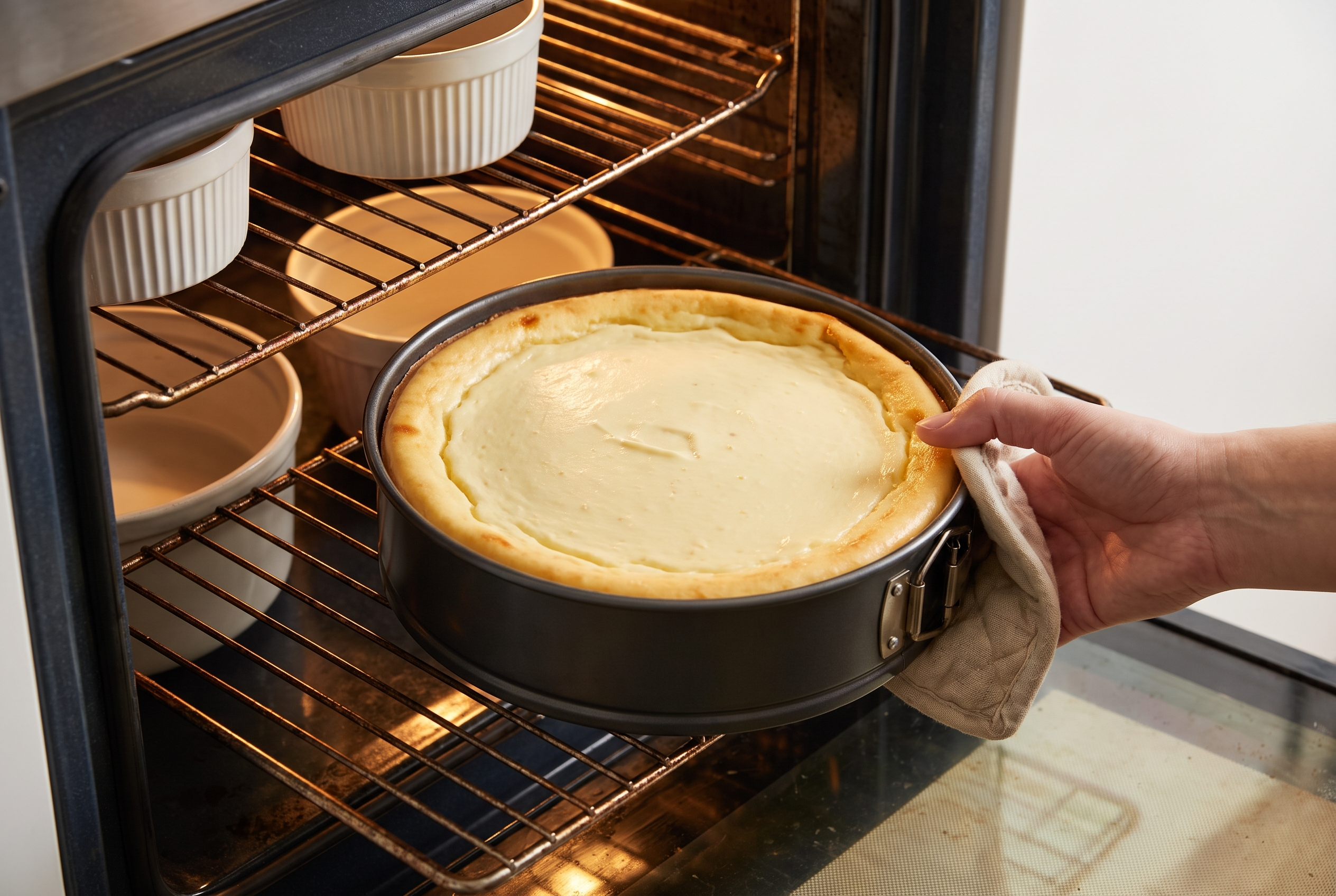
Bake at 325°F for 45 to 50 minutes, until the edges are set and pale gold and the center 2 inches still wobble like set gelatin when you nudge the pan. Turn the oven off, crack the door, and leave the cheesecake inside for 30 minutes — this gentle cool-down is why it does not crack without a water bath.
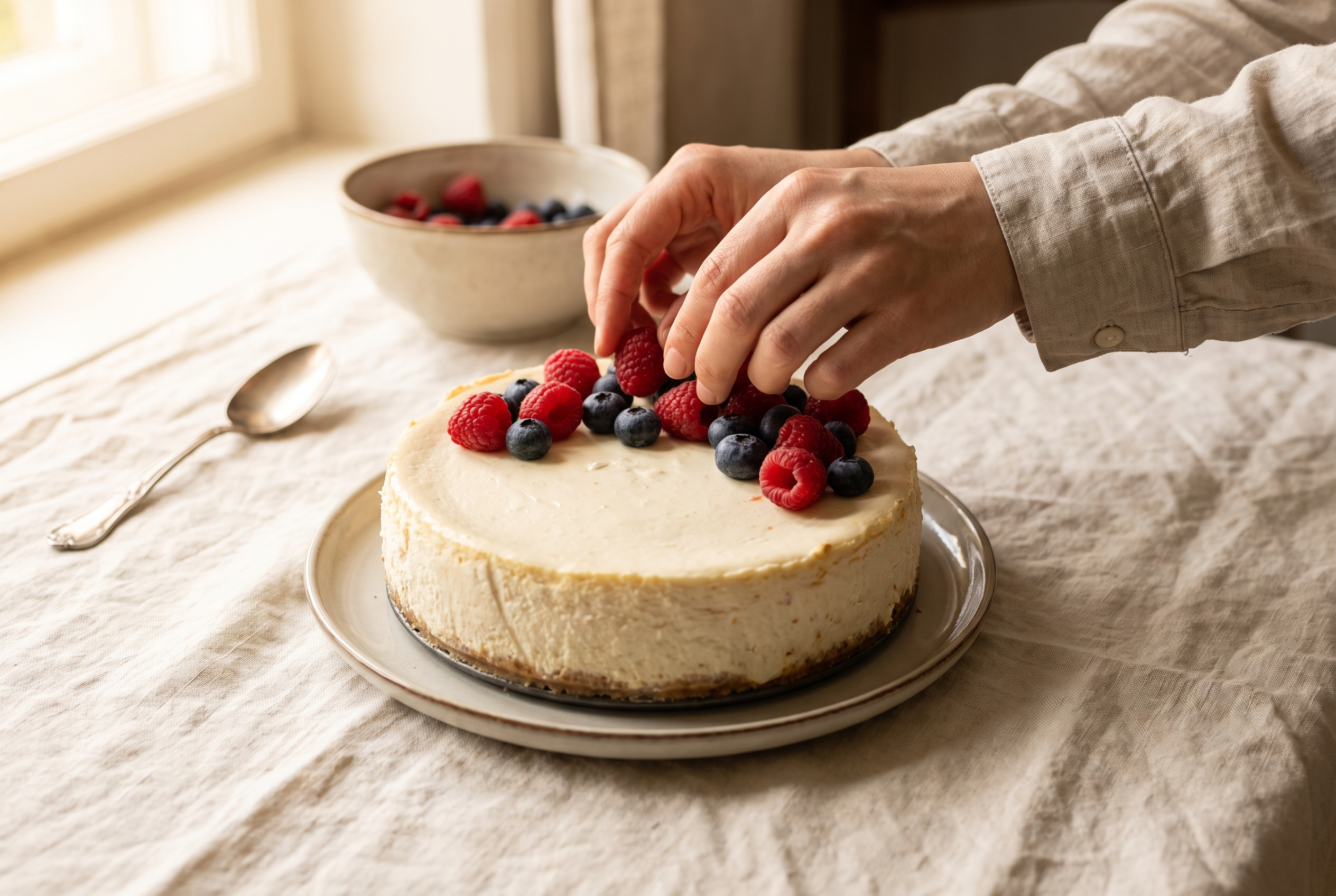
Cool to room temperature on a rack, then refrigerate uncovered for at least 6 hours, preferably overnight. Run a thin knife around the edge, release the ring, and pile on berries just before serving. It slices cleanest with a hot, dry knife.
 If dessert with real protein in it is the kind of thing you want more of, this is the book I cook from — the Ultimate GLP-1 High Protein High Fiber Cookbook.
Things I learned while testing this recipe.
- Use 4% cottage cheese, and a brand with small curds. Low-fat cottage cheese makes a rubbery, watery cheesecake. Full-fat gives you the creaminess a cheesecake needs, and small-curd blends smooth faster. Good Culture and Daisy both work; drain off any liquid sitting on top before blending.
- Blend the cottage cheese alone first. If you add everything at once, the eggs thin the mix and the curds never fully break down. Two minutes on the cottage cheese by itself, then everything else on low.
- The center should jiggle when it comes out. A cheesecake that looks fully set in the oven is overbaked, and overbaked is where cracks and a grainy texture come from. Set edges, wobbly middle, then the 30-minute oven rest.
- Overnight is not optional. At 6 hours it slices; at 12 it is dense, cold and creamy the way a cheesecake should be. The flavor also settles — fresh out of the fridge on day one it tastes tangier than it will on day two.
Why this is the dessert I keep in the fridge all week.
- Eighteen grams of protein and 230 calories a slice. That is a slice of cheesecake you can have as a snack, or as the protein part of breakfast, without any of it feeling like a compromise. It is one of the few healthy dessert recipes I make that is actually filling.
- Ten minutes of hands-on time. The blender does everything. Crust, blend, pour, bake — the only patience required is the chill.
- It keeps for five days and gets better. Make it Sunday, and the slices are there all week. Top each one differently — berries, a spoon of jam, a drizzle of honey, a few chocolate chips — and it does not feel like the same dessert twice.
Here's what I'd serve with this.
- Greek yogurt chocolate bark — a few shards on the side for a dessert board that is all protein.
- Apple crisp — warm crisp and cold cheesecake on the same plate is a fall dessert I stand behind.
- Protein brownies — crumble one over a slice for the chocolate-cheesecake version.
- Greek yogurt banana bread — if you are serving the cheesecake at brunch instead of after dinner.
- Pumpkin cheesecake bars — the same no-water-bath method, in bar form, when the pumpkin craving hits.
Just in case you have leftovers.
Storing: Cover the cheesecake once it is fully chilled and keep it in the refrigerator for up to 5 days. Add berries to each slice as you serve it rather than to the whole cake, or they weep onto the top. It also freezes well: slice, wrap each slice in plastic and then foil, and freeze for up to 2 months.
Reheating: This one is served cold, so there is no reheating — thaw frozen slices overnight in the refrigerator, or for 30 minutes on the counter if you are impatient. Let a slice sit out 10 minutes before eating and the texture goes from firm to creamy.
More easy high protein dessert recipes...
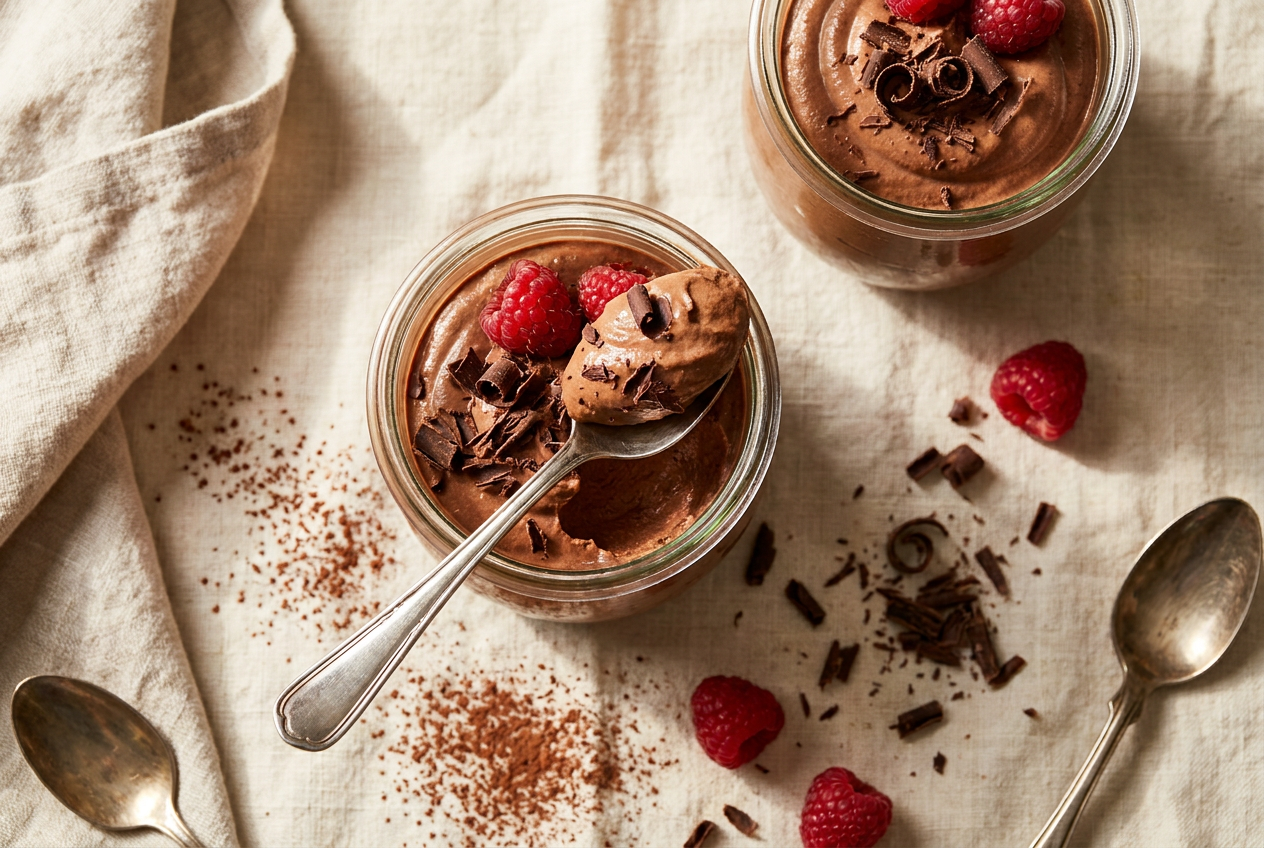 Chocolate cottage cheese mousse
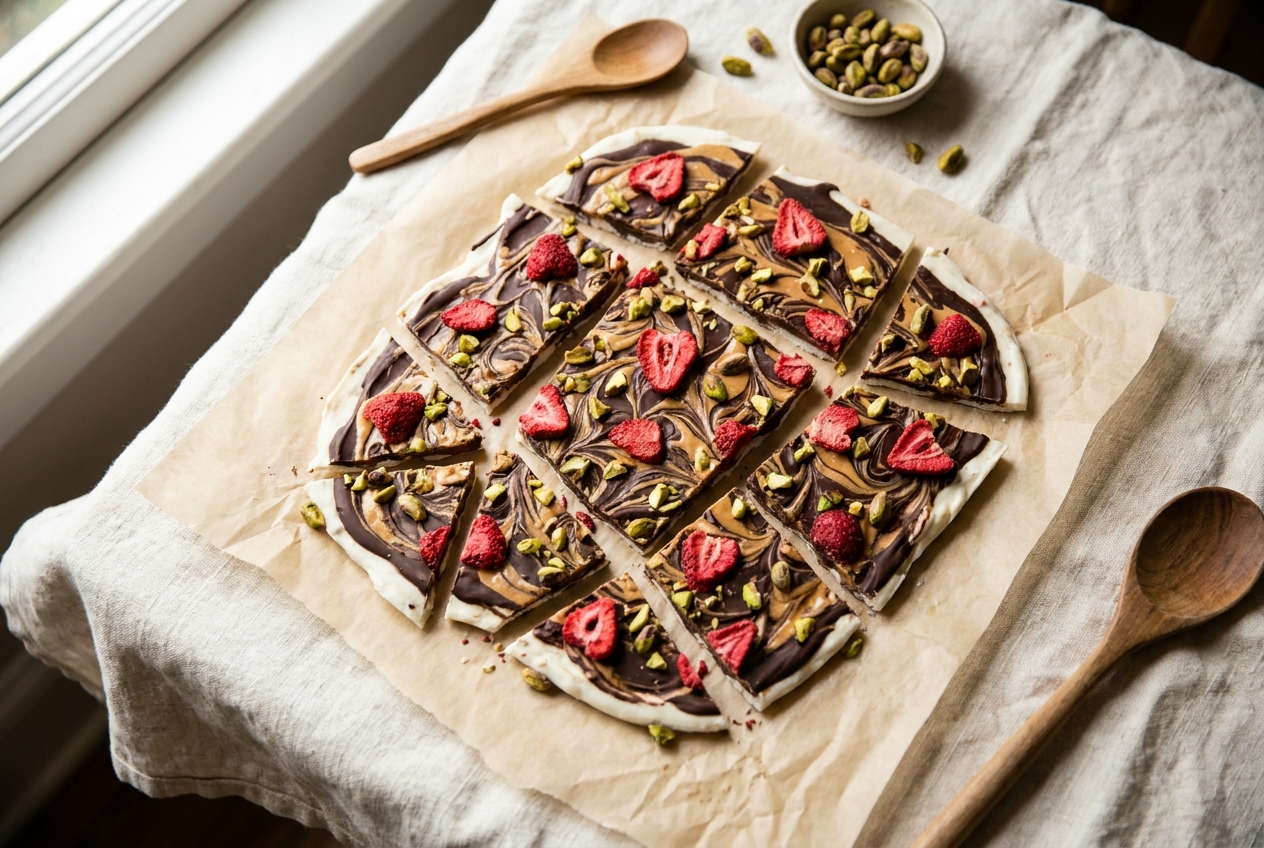 Greek yogurt chocolate bark
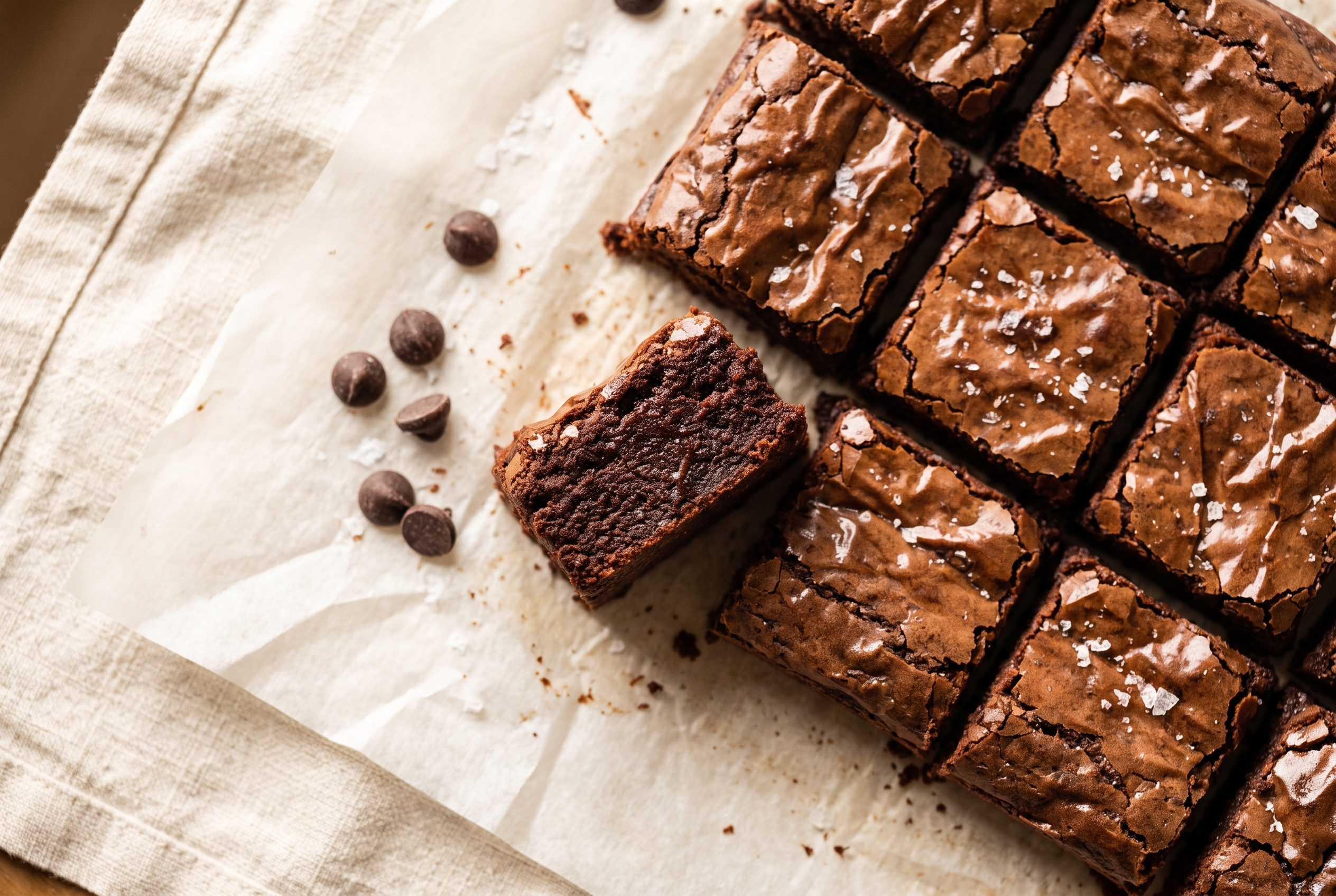 Protein brownies
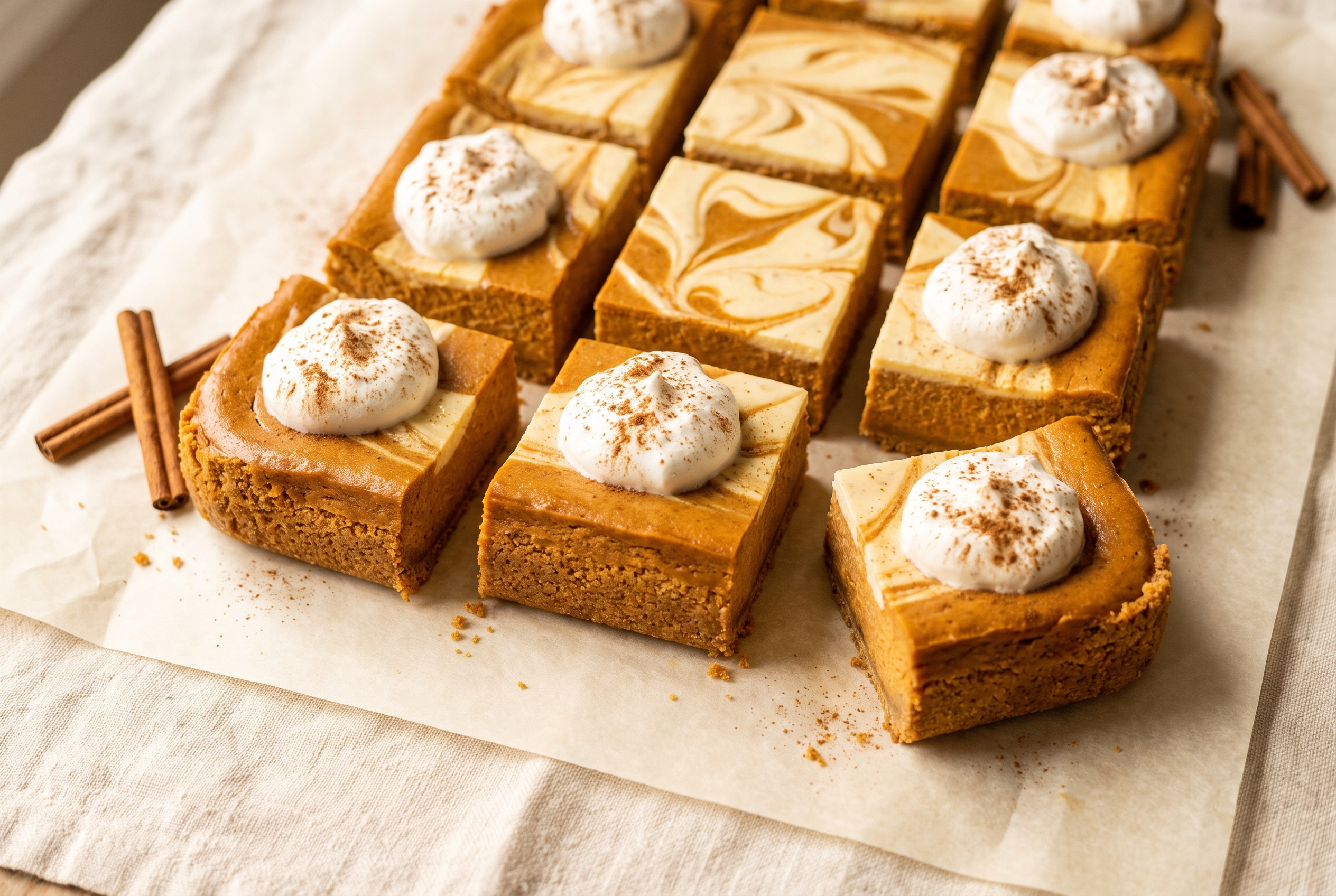 Pumpkin cheesecake bars
If you want the no-bake, five-minute version of this idea, my chocolate cottage cheese mousse is where to start. And today's other new recipe is my egg white breakfast wraps — 28g protein each, meal-prepped for the week, and the reason a slice of this cheesecake is a perfectly reasonable breakfast dessert.
High Protein Cottage Cheese Cheesecake
A silky baked cheesecake made from blended cottage cheese and Greek yogurt over a thin graham crust — no cream cheese, no water bath, 18g protein and 230 calories a slice.
Ingredients
- 1 cup graham cracker crumbs (about 8 full sheets)
- 3 tablespoons unsalted butter, melted
- 1 tablespoon granulated sugar (for the crust)
- 3 cups full-fat (4%) small-curd cottage cheese (24 oz), drained of surface liquid
- 1 cup plain full-fat Greek yogurt
- ⅔ cup granulated sugar
- 3 large eggs
- 2 teaspoons vanilla extract
- 3 tablespoons cornstarch
- 1 teaspoon finely grated lemon zest
- ¼ teaspoon kosher salt
- 2 cups fresh berries, to serve
Instructions
- Crust: Heat the oven to 325°F. Mix the graham crumbs, melted butter and 1 tablespoon sugar, press firmly into the bottom of a 9-inch springform pan, and bake 8 minutes. Set aside.
- Blend: Blend the cottage cheese alone on high for 2 full minutes, scraping down once, until completely smooth with no grain.
- Filling: Add the Greek yogurt, ⅔ cup sugar, eggs, vanilla, cornstarch, lemon zest and salt. Blend on low 20–30 seconds, just until combined.
- Pour: Pour the filling over the crust, tap the pan on the counter to release bubbles, and smooth the top.
- Bake: Bake 45–50 minutes, until the edges are set and pale gold and the center still wobbles. Turn the oven off, crack the door, and leave the cheesecake inside for 30 minutes.
- Chill: Cool to room temperature, then refrigerate uncovered at least 6 hours or overnight. Release the ring, top with berries, and slice with a hot, dry knife.
Notes
Cottage cheese: full-fat, small curd, drained. Low-fat gives a rubbery result. Sweetener: ⅔ cup sugar makes a lightly sweet cheesecake; use ¾ cup for a classic level, or a 1:1 monk fruit blend for a sugar-free version (texture is unchanged). Crustless: skip the crust, grease the pan well and line the base with parchment — saves about 60 calories a slice. Lemon: 1 tablespoon lemon juice can replace the zest. Vanilla bean paste instead of extract is lovely here. Do not open the oven during the first 40 minutes.
Dessert that counts toward your protein, not against it.
The Ultimate GLP-1 High Protein High Fiber Cookbook has a whole chapter of desserts and snacks built like this cheesecake — real ingredients, real protein, portions that make sense on a GLP-1 appetite.
Meal-plan the whole week around recipes like this with RecipeLoop — save recipes from anywhere, get a grocery list automatically.Cottage cheese cheesecake FAQ
Does cottage cheese cheesecake taste like cottage cheese?
No — once the cottage cheese is blended completely smooth and baked with sugar, vanilla and lemon, it tastes like a tangy, creamy cheesecake, closer to a New York style than a no-bake. Nobody I have served it to has guessed the base ingredient.
Why is my cottage cheese cheesecake grainy?
The cottage cheese was not blended long enough, or it was low-fat. Blend full-fat, small-curd cottage cheese alone on high for a full 2 minutes before adding anything else, and rub a little between your fingers to check for grain. Overbaking also makes the texture grainy, so pull it while the center still wobbles.
Can I make cottage cheese cheesecake without a crust?
Yes. Grease the springform pan well, line the base with parchment, pour the filling straight in and bake as written. It saves about 60 calories and 8g carbs a slice and makes it gluten-free.
Can you freeze cottage cheese cheesecake?
Yes. Chill it fully, slice, wrap each slice in plastic wrap and foil, and freeze for up to 2 months. Thaw overnight in the refrigerator; the texture stays creamy. Add berries after thawing, not before freezing.
How much protein is in cottage cheese cheesecake?
This recipe has about 18g protein per slice (10 slices) with 230 calories, from the cottage cheese, Greek yogurt and eggs — roughly three times the protein of a classic cream cheese cheesecake at half the calories.