Blackberry Cobbler (Cast Iron Skillet, Buttermilk Biscuit Top)
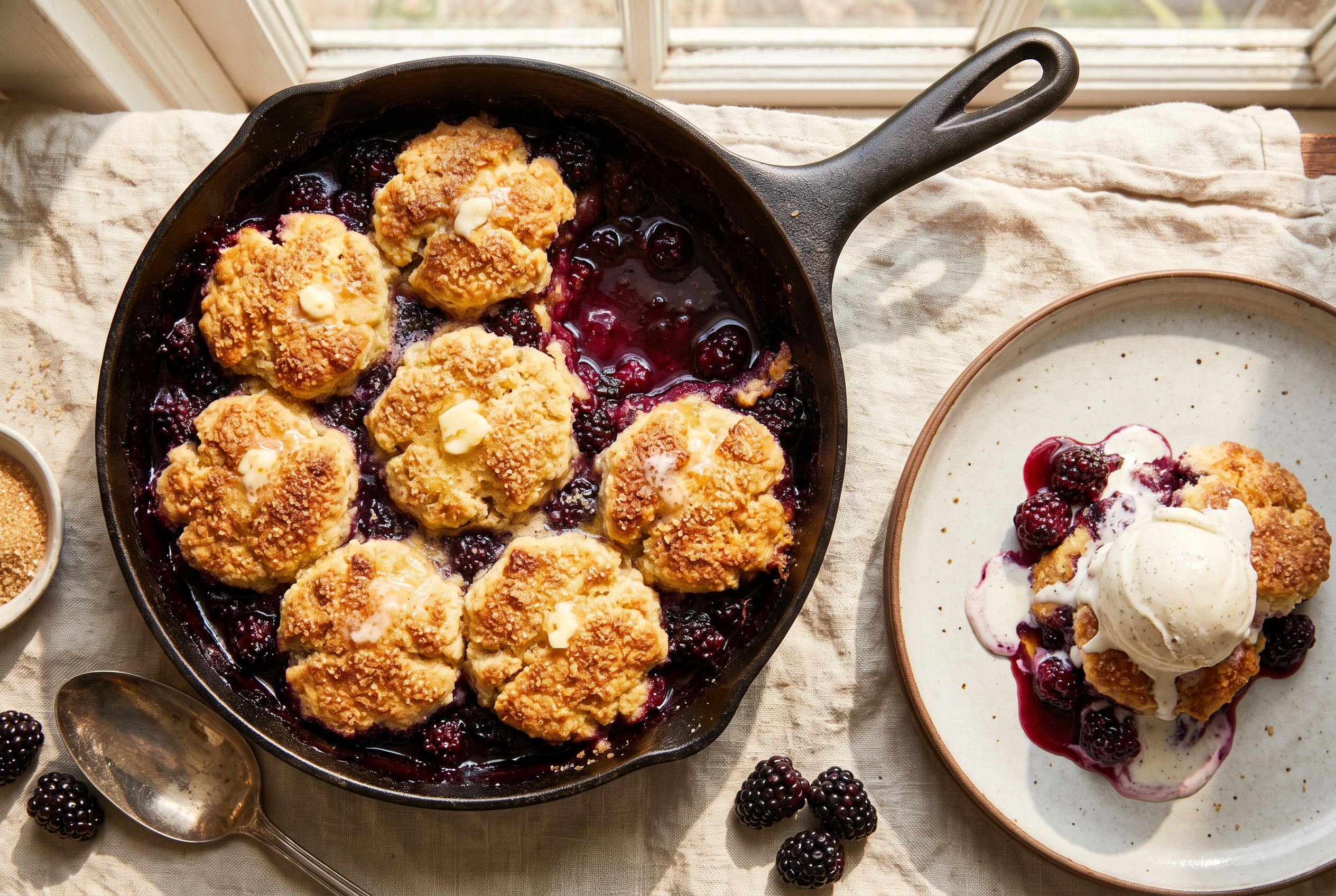
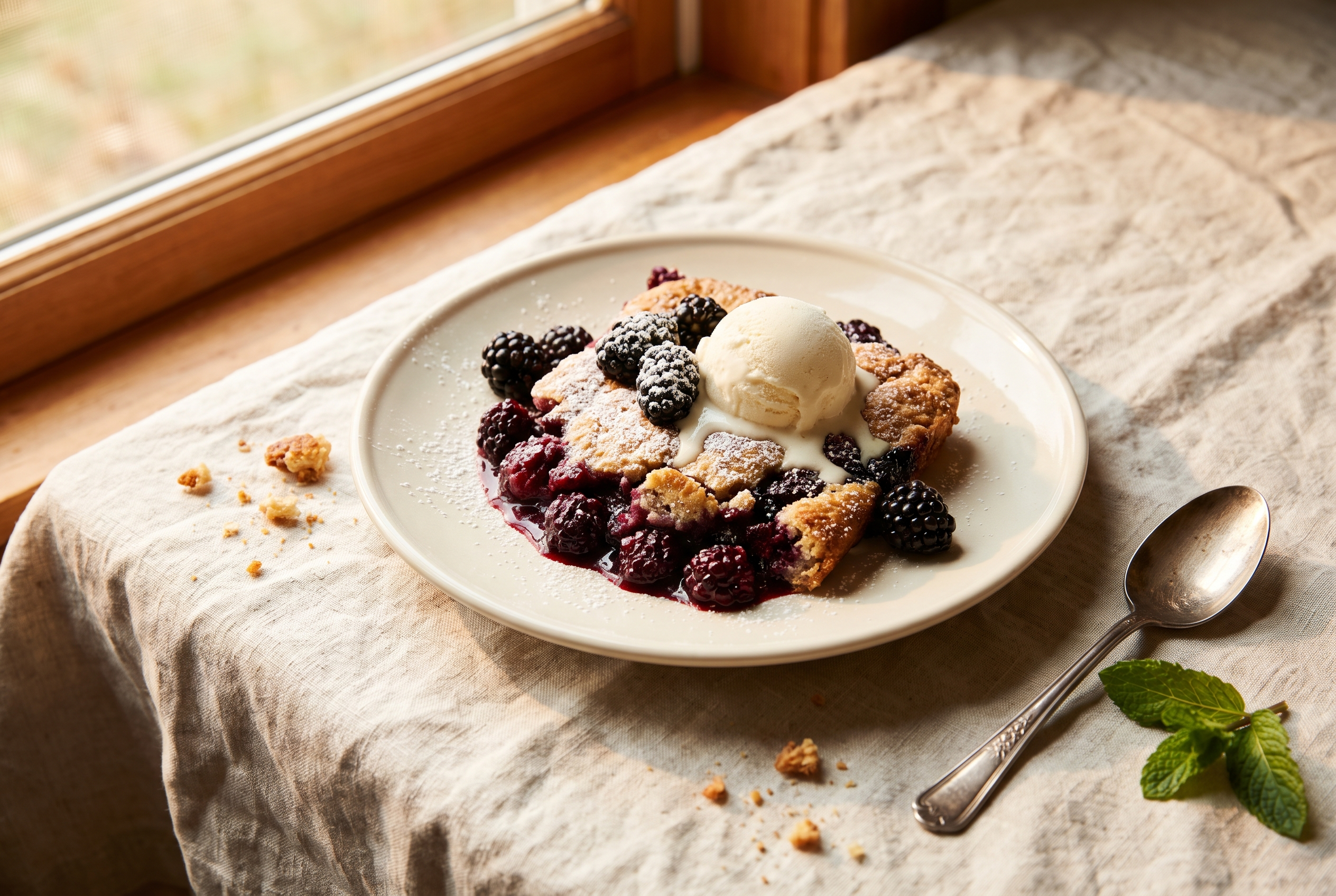
Blackberry cobbler is the dessert my grandmother made with whatever the bramble at the back of the garden gave her, and this is my version of it: six cups of juicy blackberries tossed with sugar, lemon and a little cornstarch, baked in a cast iron skillet under soft buttermilk biscuits with a crackly sugar top, until the purple juice bubbles up around every edge.
I have made it with fresh berries in August and frozen ones in January, and the recipe below works for both. The things I fixed while testing were the classic cobbler complaints — a runny filling and a doughy underside to the biscuits — and the answers turned out to be simple: enough cornstarch, a hot oven, and leaving gaps between the biscuits so steam can escape. If you love a fruit dessert with a crunchy top, my apple crisp is its oat-topped cousin.
 Save recipes like this straight from TikTok and plan your week in minutes with RecipeLoop, the free AI meal planner.
Why this blackberry cobbler has a jammy filling and a crisp biscuit top.
- Cornstarch and lemon set the juice. Blackberries release a lot of liquid. Three tablespoons of cornstarch thicken it into a glossy, jammy filling once it bubbles, and lemon juice keeps the flavor bright instead of flat and sugary. The filling has to bubble in the center, not just the edges, for the cornstarch to work.
- Real buttermilk biscuits, dropped, not rolled. Cold butter cut into the flour and a quick stir of buttermilk makes a shaggy dough that bakes up tall, tender and golden. Dropping spoonfuls with gaps between them lets steam escape, so the underside cooks through instead of turning gummy.
- One cast iron skillet, start to finish. The skillet holds heat, caramelizes the juice around the edge and goes straight to the table. It is the kind of simple fruit-first dessert I reach for after a Sunday dinner like my Greek lemon chicken and potatoes.
Here's what you'll need.
Six cups of blackberries (fresh or frozen), sugar, a lemon, cornstarch, a pinch of cinnamon, and for the biscuit topping: all-purpose flour, sugar, baking powder, baking soda, salt, cold unsalted butter, buttermilk, and coarse sugar for the sparkle on top.
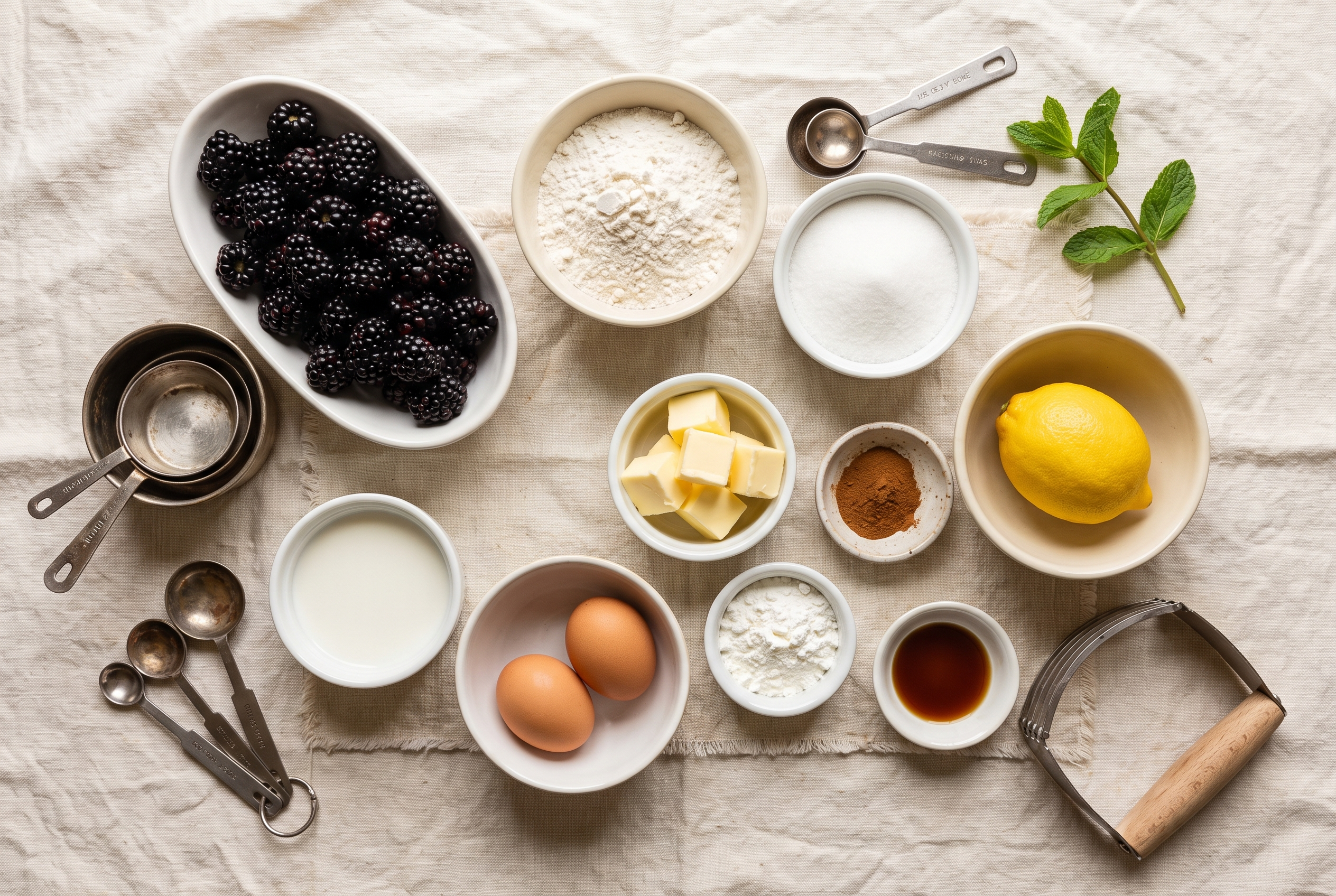
Here's how it all comes together.
Heat the oven to 375°F. In a large bowl, gently toss the blackberries with the sugar, lemon zest and juice, cornstarch, cinnamon and a pinch of salt until every berry is coated and no white cornstarch is visible. If you are using frozen berries, do not thaw them first; toss them straight from the freezer and add a tablespoon more cornstarch.
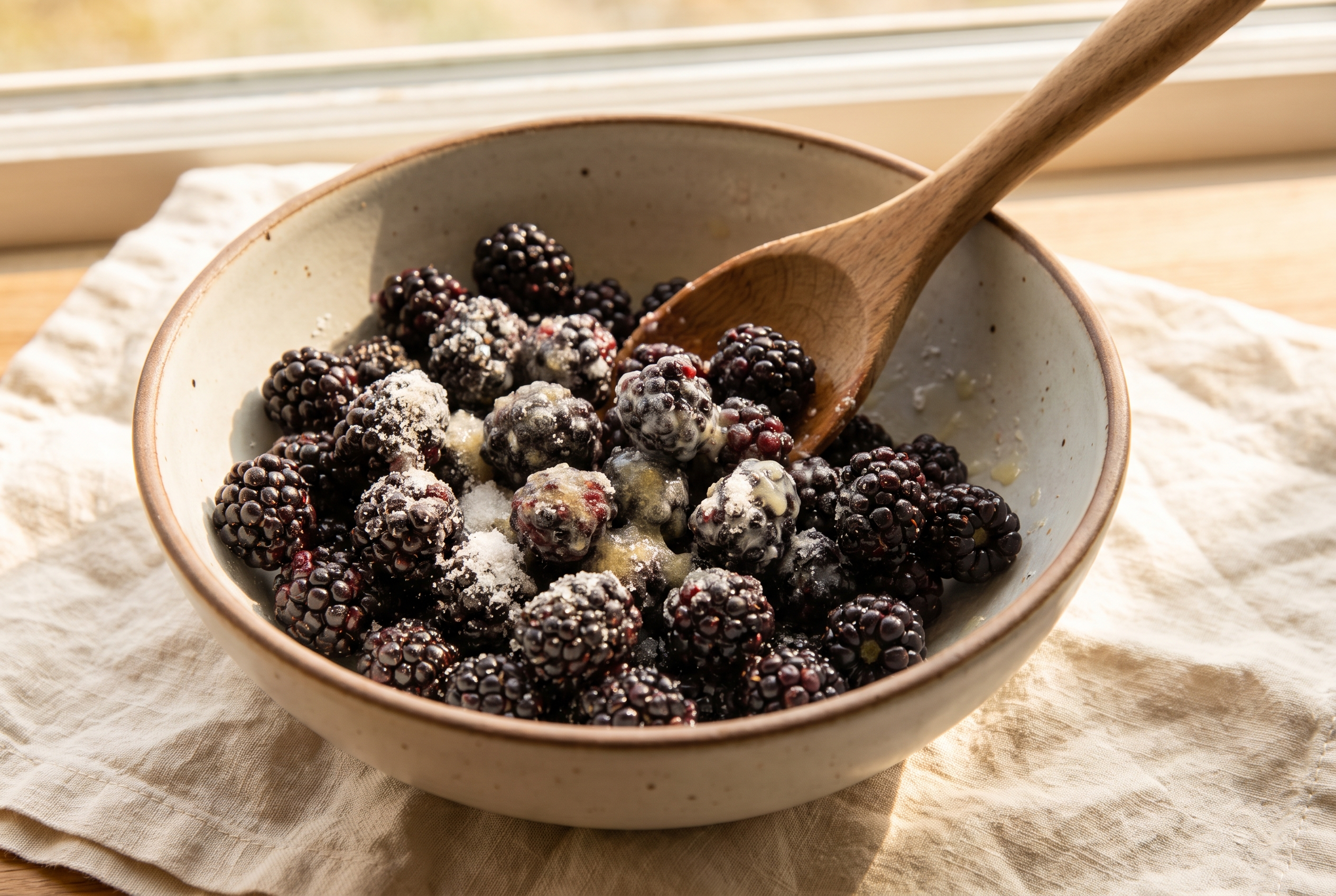
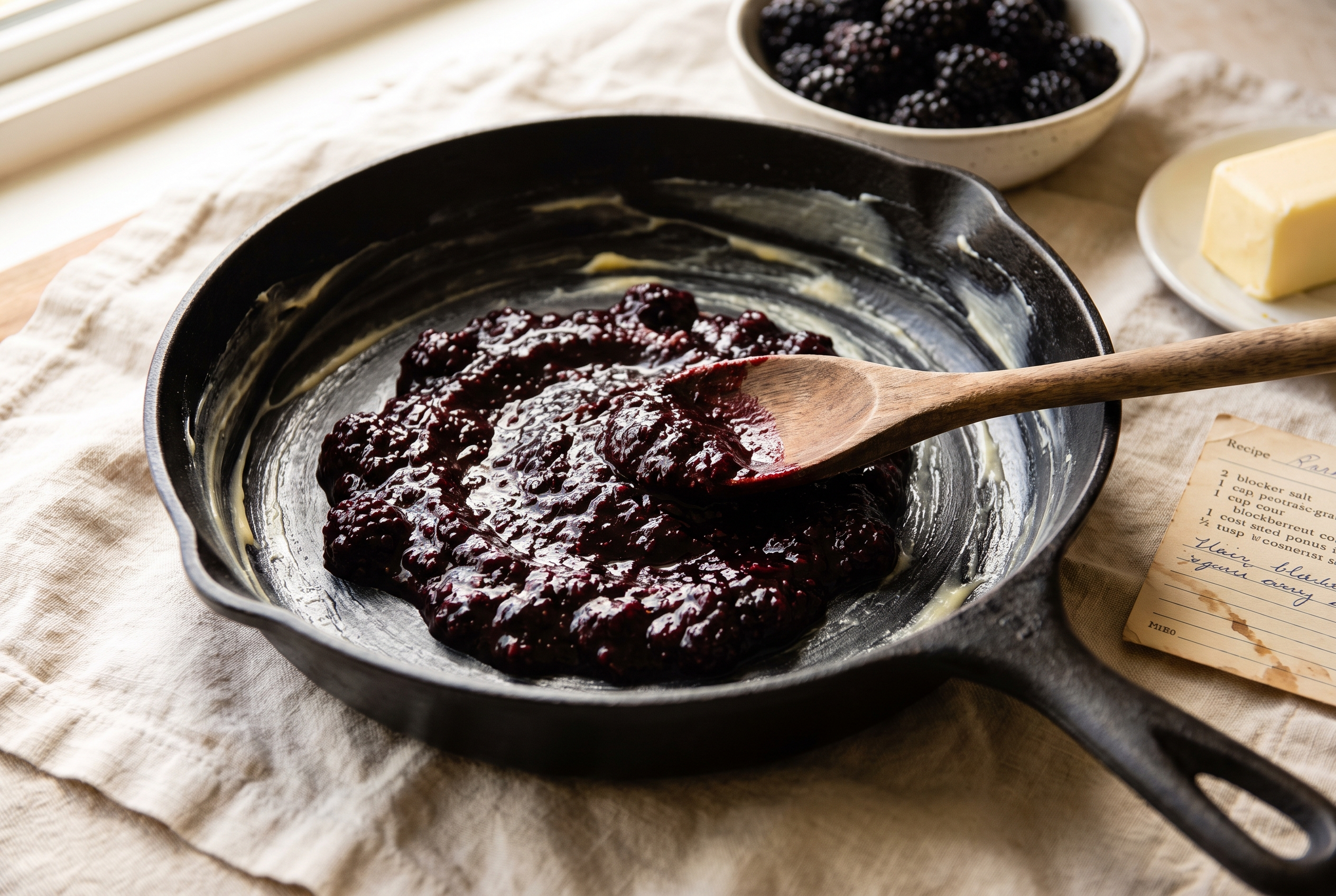
Rub a 10-inch cast iron skillet (or a 2-quart baking dish) with a tablespoon of butter. Tip in the blackberries and all their juices and spread them into an even layer. Scrape the bowl well — the sugar and cornstarch that settle to the bottom are what make the filling thicken.
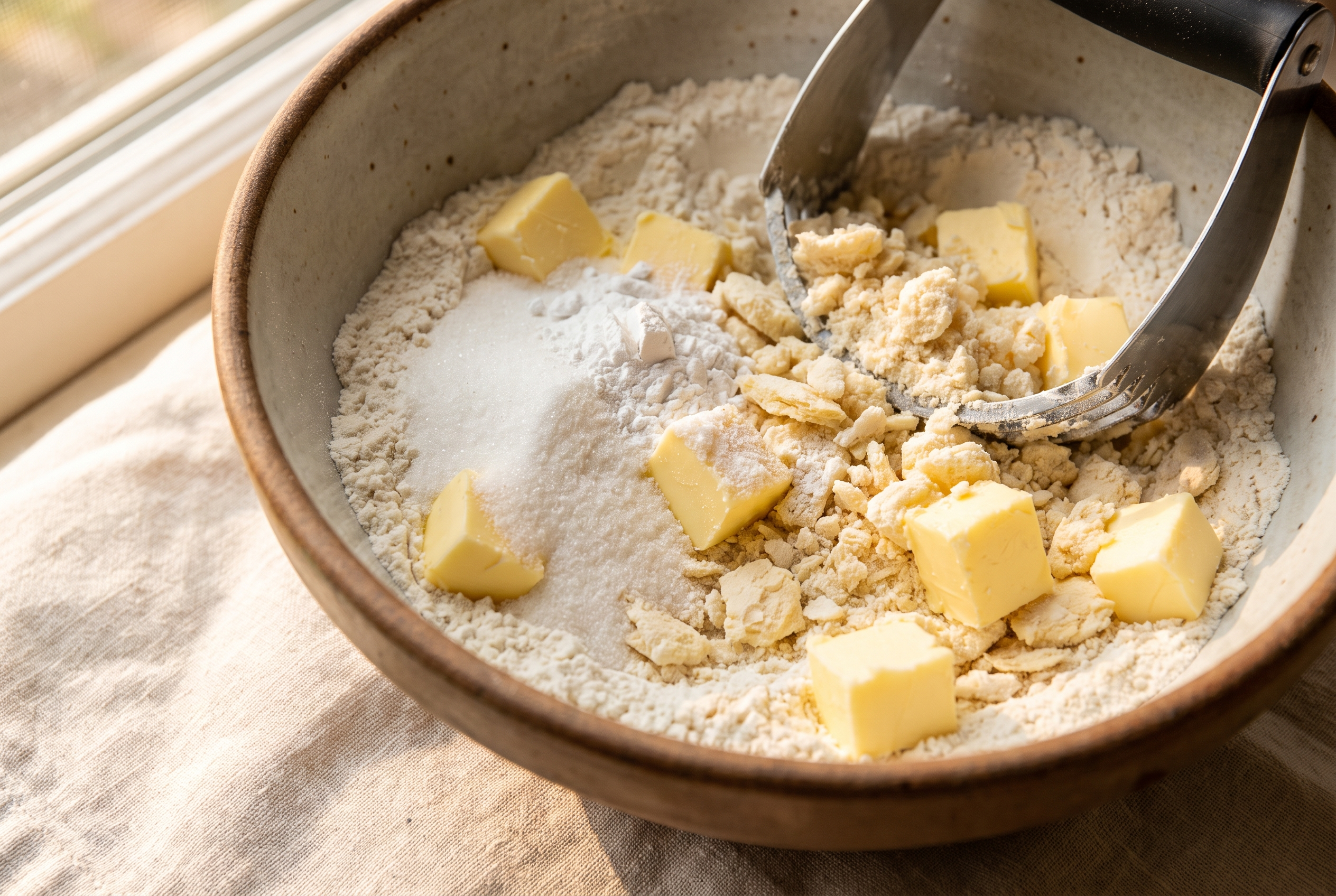
In another bowl, whisk the flour, sugar, baking powder, baking soda and salt. Add the cold cubed butter and work it in with a pastry cutter or your fingertips until the mixture looks like coarse crumbs with a few pea-sized pieces of butter left. Those pieces melt in the oven and make the biscuits flaky, so work quickly and keep it cold.
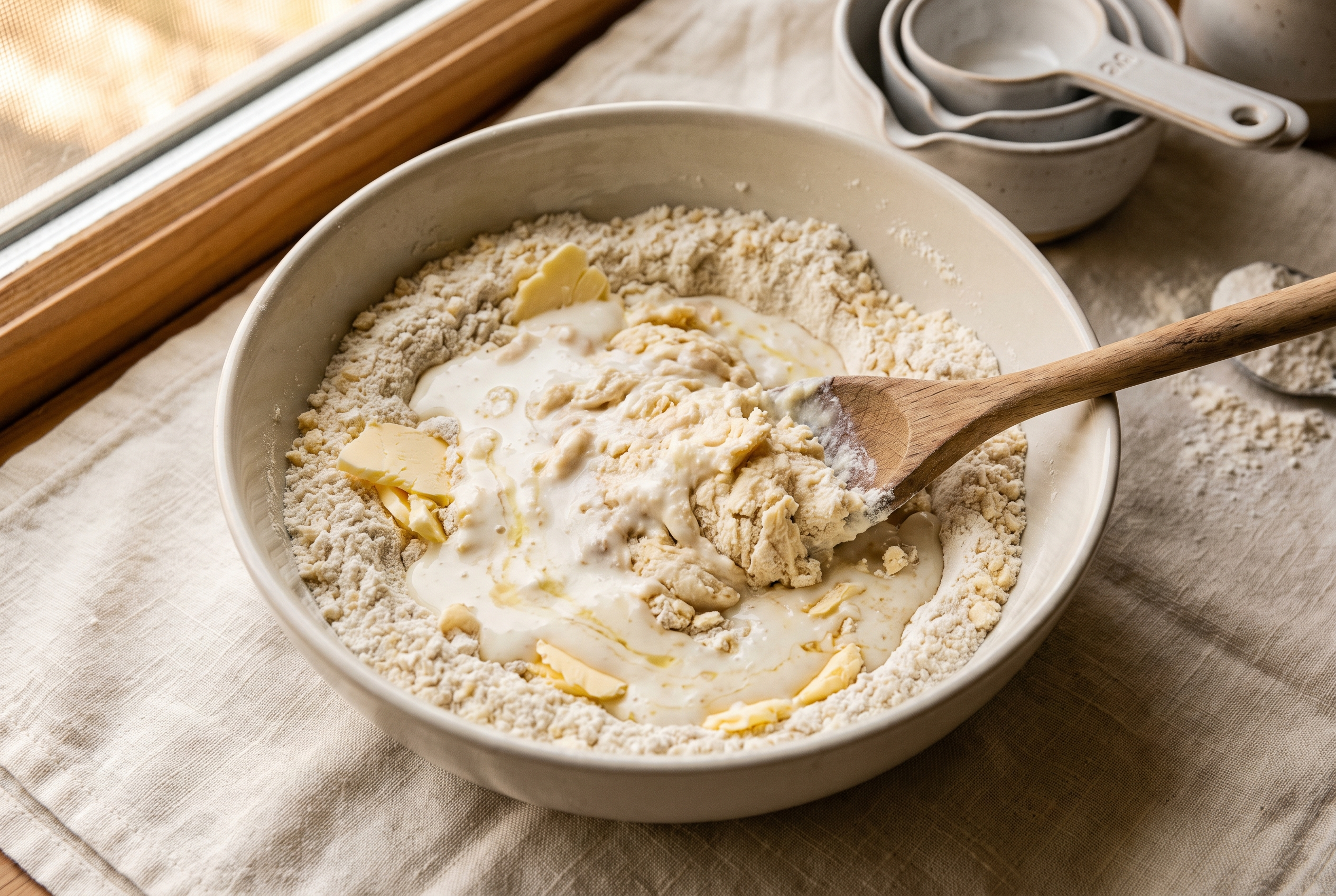
Pour in the cold buttermilk and stir with a fork just until a soft, shaggy dough forms and there is no dry flour at the bottom of the bowl. It should be sticky and lumpy, not smooth. Stirring until it looks like a smooth dough is what makes cobbler topping dense and tough.
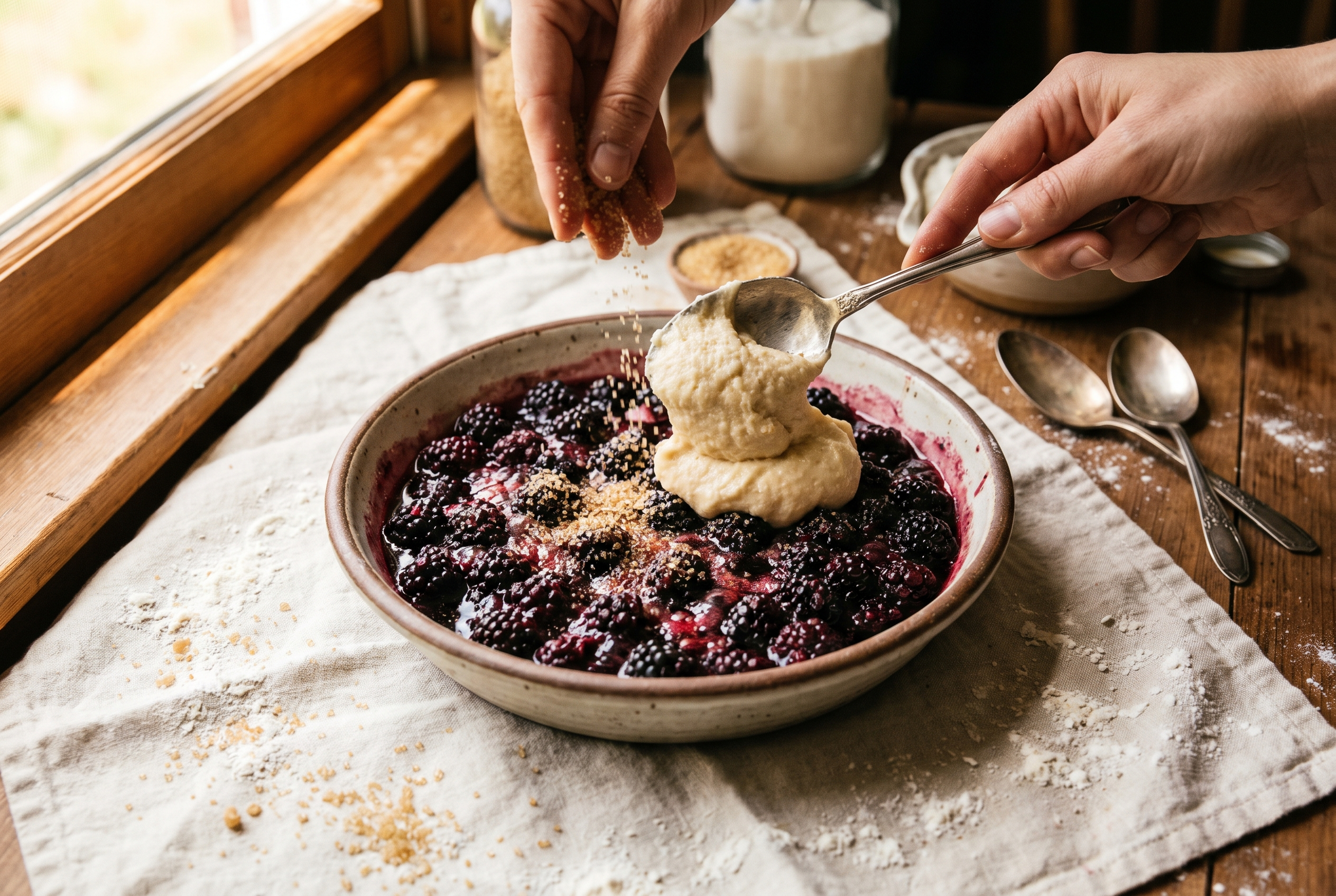
Drop the dough in 8 to 10 large spoonfuls over the blackberries, leaving gaps between them so some purple filling shows through. Brush the tops with a little buttermilk and sprinkle generously with coarse sugar. The gaps are important: they let steam out, so the biscuits bake through underneath.
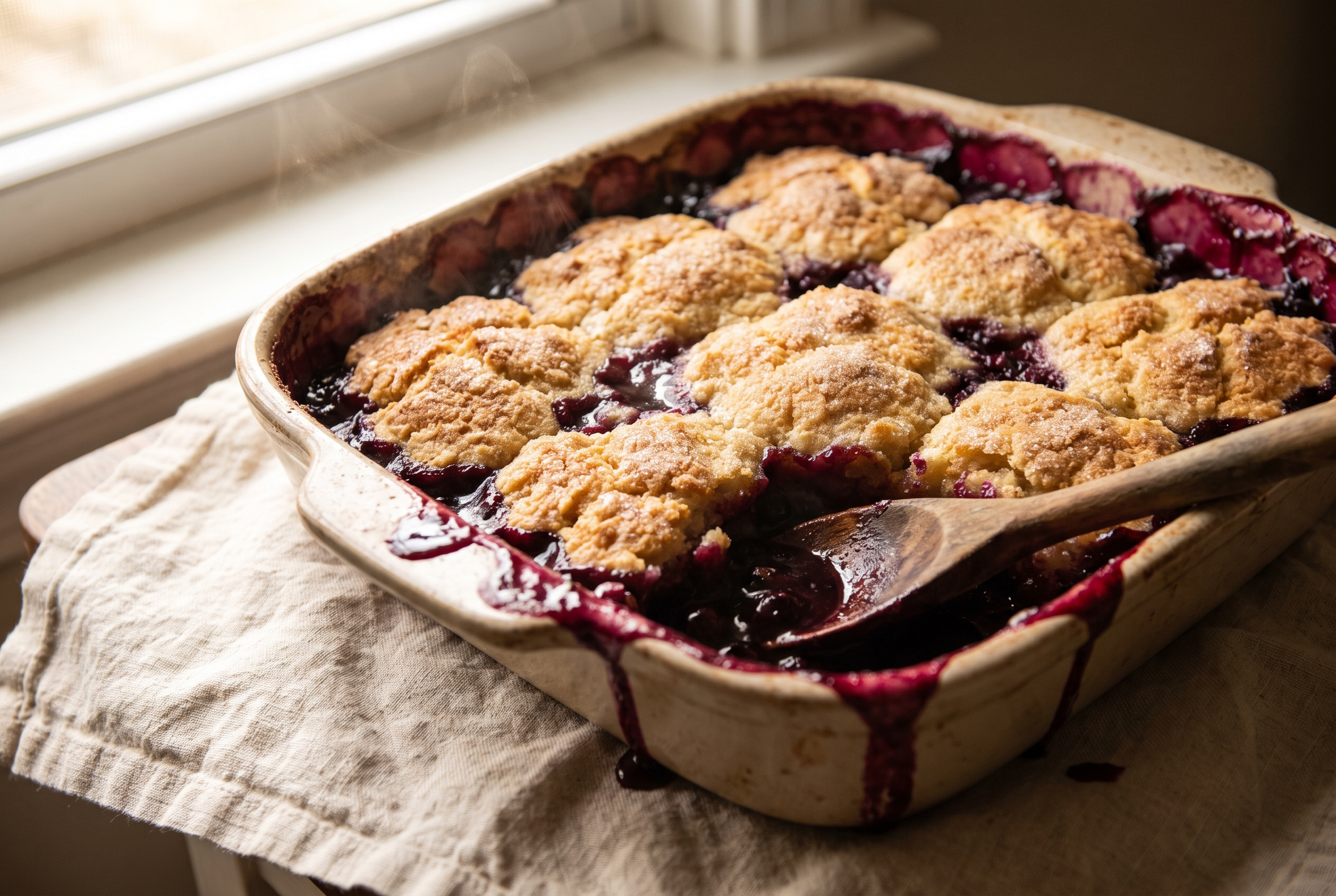
Set the skillet on a foil-lined baking sheet to catch drips and bake for 38 to 45 minutes, until the biscuits are deep golden and a toothpick comes out clean, and the juice is bubbling thickly in the center, not just at the edges. Cool for at least 20 minutes so the filling sets, then serve warm with vanilla ice cream.
 If you like simple, fruit-first desserts and dinners that cook themselves while you get on with the day, this is the book I keep on the counter, the Ultimate Slow Cooker Mediterranean Diet Cookbook.
Things I learned while testing this recipe.
- Wait for the bubble in the middle. The first time I tested this I pulled it when the top was golden, and the filling was soup. Cornstarch only thickens once it boils, so look for thick, slow bubbles in the center of the skillet. If the top browns first, lay a piece of foil loosely over it.
- Frozen berries go in frozen. Thawing them first leaves you with a bowl of purple juice and deflated berries. Toss them frozen with an extra tablespoon of cornstarch and add 10 minutes to the bake time. The result is almost identical to fresh.
- Keep the butter and buttermilk cold. Warm butter blends into the flour and makes the topping cakey and flat. I cube the butter and put it back in the fridge while I toss the berries. On a hot day, freeze it for 10 minutes.
- Taste the berries first. Blackberries range from sweet to very tart. With ripe summer berries, ½ cup sugar is plenty; with sour or supermarket berries in winter, go up to ⅔ cup. A couple of spoonfuls of blueberries or raspberries in the mix is also lovely.
Why blackberry cobbler is the easiest fruit dessert I make.
- No pie crust, no rolling pin. Toss the fruit, stir a biscuit dough, drop it on top. It is the dessert I make when I want something homemade for company but have fifteen minutes, not an afternoon.
- It works year round. Fresh berries in summer, frozen in winter, same result. A bag of frozen blackberries in the freezer means a warm cobbler is never more than an hour away.
- Fruit-forward and not too sweet. Six cups of blackberries do most of the work, with 6 grams of fiber a serving and less sugar than most cobbler recipes. It is the kind of dessert that fits comfortably after a Mediterranean-style dinner.
Here's what I'd serve with this.
- Crockpot pulled pork — a backyard supper that practically requires cobbler afterward.
- Crockpot BBQ ribs — sticky ribs, then warm blackberry cobbler — a perfect summer menu.
- Greek lemon chicken and potatoes — a bright one-pan dinner before a jammy fruit dessert.
- Classic meatloaf — old-fashioned Sunday dinner deserves an old-fashioned dessert.
- Mediterranean chickpea salad — a light dinner that leaves room for a second scoop.
Just in case you have leftovers.
Storing: Cool the cobbler completely, then cover the skillet (or move it to a container, since cast iron can react with the fruit over time) and refrigerate for up to 4 days. It can sit at room temperature, covered, for up to 1 day. To freeze, store portions in airtight containers for up to 3 months.
Reheating: Reheat individual portions in the microwave for 30 to 45 seconds, or warm the whole cobbler covered with foil at 350°F for 15 to 20 minutes, uncovering for the last 5 to re-crisp the biscuit tops. From frozen, thaw overnight in the fridge first.
More easy dessert recipes...

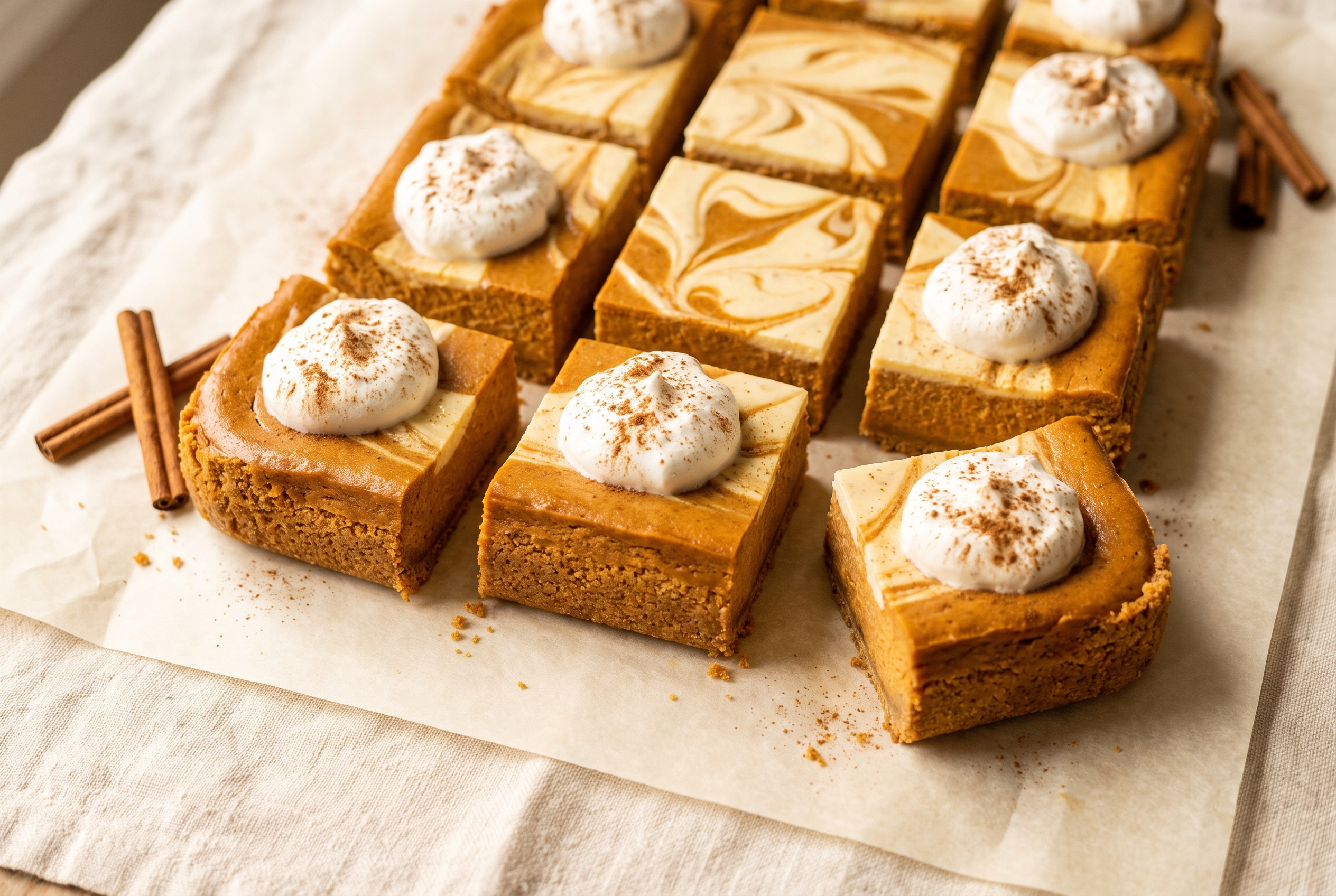
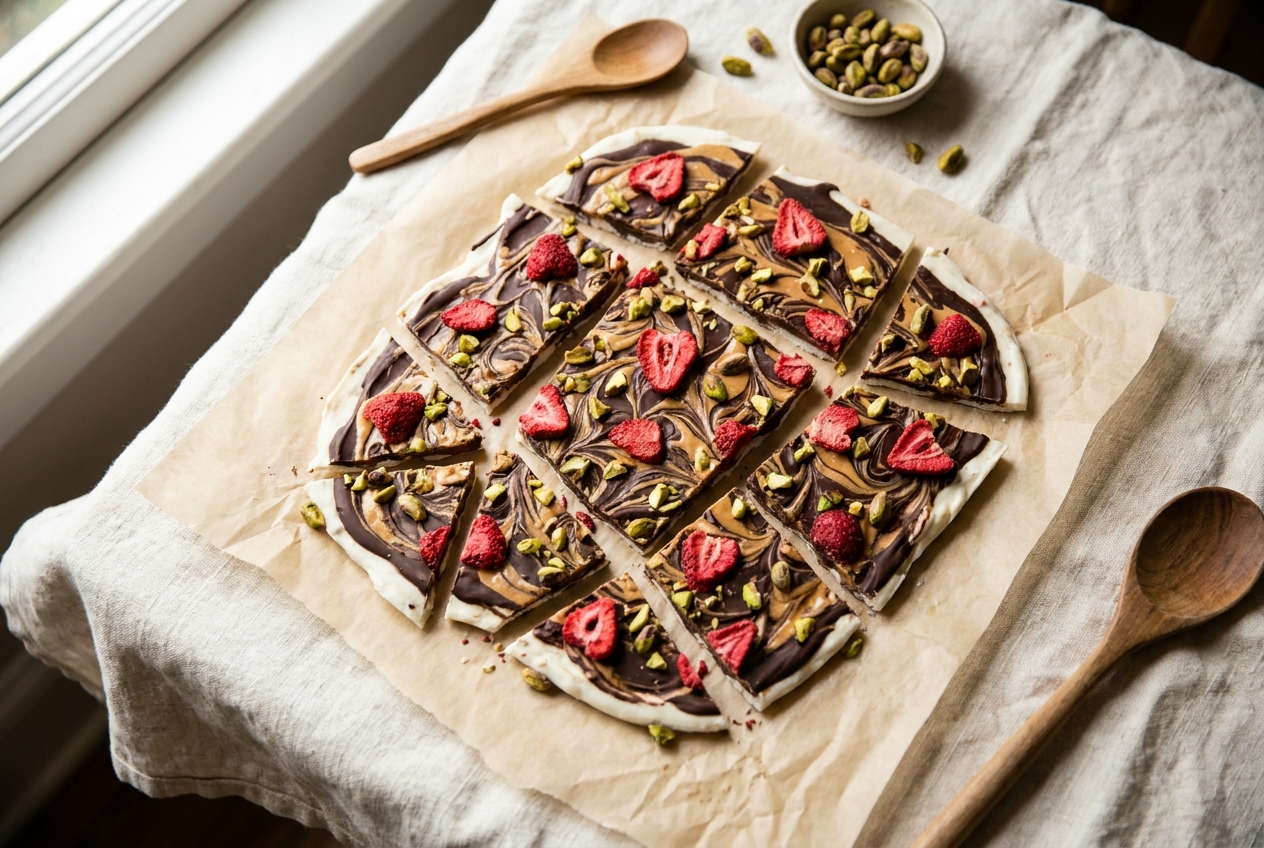
If you want something lighter for dessert, my Greek yogurt chocolate bark is a no-bake freezer treat that takes ten minutes. And today's other new desserts are pumpkin bars with cream cheese frosting and a no-bake cottage cheese cookie dough with 15g protein.
Blackberry Cobbler
Easy blackberry cobbler baked in a cast iron skillet: juicy blackberries with lemon and cornstarch under a golden, sugar-topped buttermilk biscuit crust. Fresh or frozen berries, 15 minutes of prep and 40 in the oven.
Ingredients
- 6 cups (about 30 oz) fresh or frozen blackberries
- ½ cup granulated sugar (up to ⅔ cup for tart berries)
- 1 lemon, zested and juiced (about 2 tablespoons juice)
- 3 tablespoons cornstarch (4 if using frozen berries)
- ¼ teaspoon ground cinnamon
- Pinch of kosher salt
- 1 tablespoon butter, for the skillet
- For the topping: 1½ cups all-purpose flour
- ¼ cup granulated sugar
- 1½ teaspoons baking powder
- ¼ teaspoon baking soda
- ½ teaspoon kosher salt
- 6 tablespoons cold unsalted butter, cubed
- ¾ cup cold buttermilk, plus 1 tablespoon for brushing
- 1 tablespoon coarse or turbinado sugar
- Vanilla ice cream, to serve (optional)
Instructions
- Prep: Heat the oven to 375°F. Butter a 10-inch cast iron skillet or 2-quart baking dish.
- Filling: Toss the blackberries with the sugar, lemon zest and juice, cornstarch, cinnamon and salt. Spread in the skillet with all the juices.
- Crumbs: Whisk the flour, sugar, baking powder, baking soda and salt. Cut in the cold butter until it looks like coarse crumbs with some pea-sized pieces.
- Dough: Stir in ¾ cup buttermilk with a fork just until a shaggy dough forms.
- Top: Drop the dough in 8–10 spoonfuls over the berries, leaving gaps. Brush with buttermilk and sprinkle with coarse sugar.
- Bake: Set on a lined baking sheet and bake 38–45 minutes (add 10 for frozen berries), until golden and the filling bubbles thickly in the center. Cool 20 minutes and serve warm.
Notes
Do not thaw frozen berries; use them frozen with 4 tablespoons cornstarch and add about 10 minutes of baking. The filling must bubble in the center to thicken. No buttermilk? Stir 2 teaspoons lemon juice into ¾ cup milk and let it stand 5 minutes. A 9-inch deep-dish pie plate or 8×8 dish also works; bake on a sheet pan to catch drips. Nutrition is per serving, without ice cream.
Simple, fruit-forward cooking the Mediterranean way.
The Ultimate Slow Cooker Mediterranean Diet Cookbook is full of hands-off dinners and simple, seasonal dishes that put produce first — the kind of cooking that makes a skillet of fruit cobbler the natural end to the meal.
Meal-plan the whole week around recipes like this with RecipeLoop — save recipes from anywhere, get a grocery list automatically.Blackberry cobbler FAQ
Can you use frozen blackberries in a cobbler?
Yes. Use them straight from the freezer without thawing, add an extra tablespoon of cornstarch, and bake about 10 minutes longer. Thawed berries release all their juice into the bowl and make a runnier, flatter filling.
Why is my blackberry cobbler runny?
Either there was not enough thickener or the cobbler came out before the filling boiled. Cornstarch only thickens once it bubbles, so bake until the juice is bubbling thickly in the center, and let the cobbler cool for at least 20 minutes before serving; it sets more as it cools.
How do you keep the cobbler topping from being doughy underneath?
Keep the butter and buttermilk cold, do not overmix the dough, and leave gaps between the spoonfuls of biscuit dough so steam can escape. A hot 375°F oven and enough bake time (until a toothpick in a biscuit comes out clean) finish the job.
Does blackberry cobbler need to be refrigerated?
It can sit covered at room temperature for about a day. After that, refrigerate it for up to 4 days. Reheat portions in the microwave or the whole cobbler in a 350°F oven to bring the topping back.
What is the difference between a cobbler and a crisp?
A cobbler has a soft biscuit or batter topping dropped over the fruit, while a crisp has a crumbly streusel topping, usually with oats. Both bake fruit underneath; a cobbler is more cake-like on top and a crisp is crunchier.