Cottage Cheese Cookie Dough (Edible, High Protein, 16g a Serving)
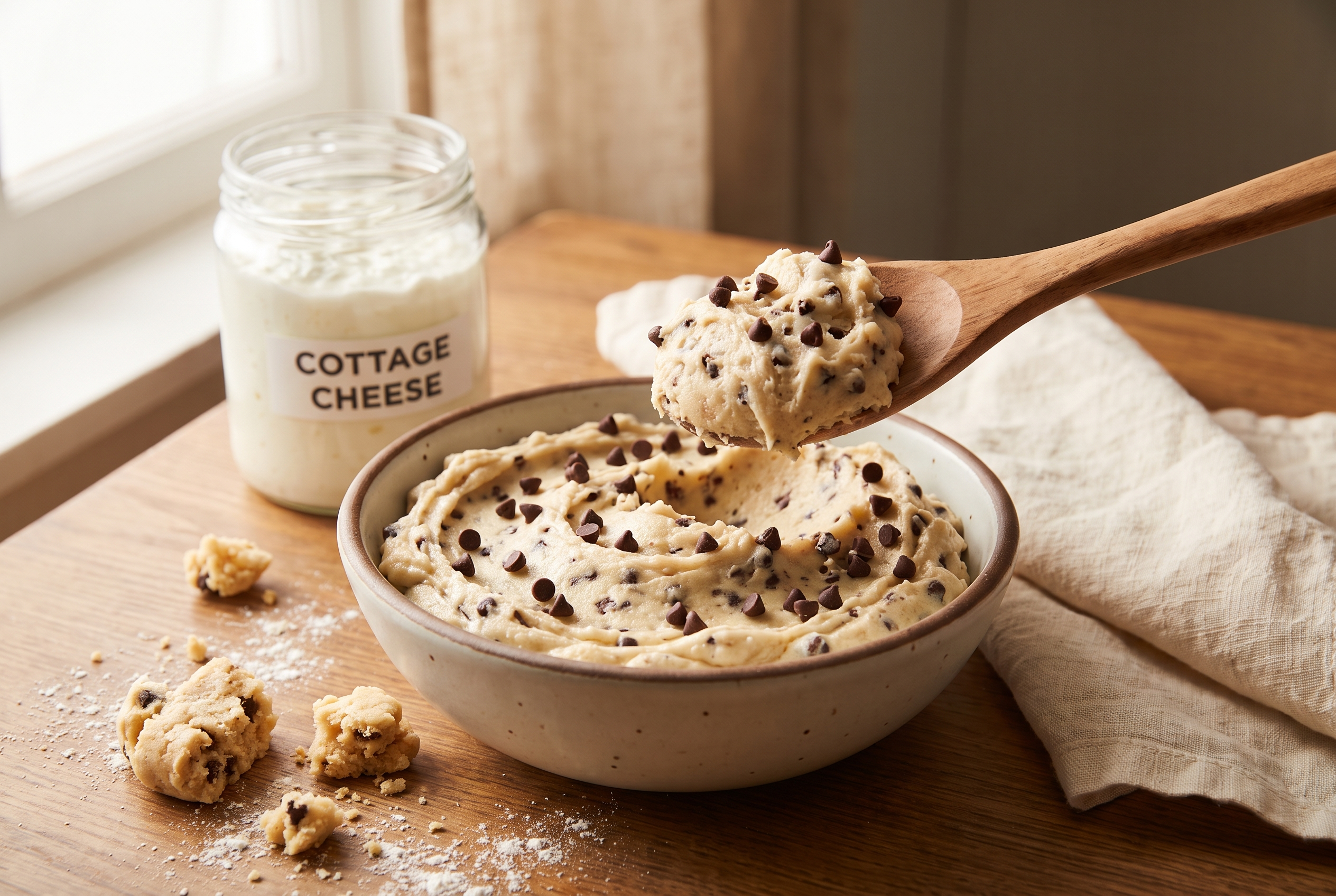
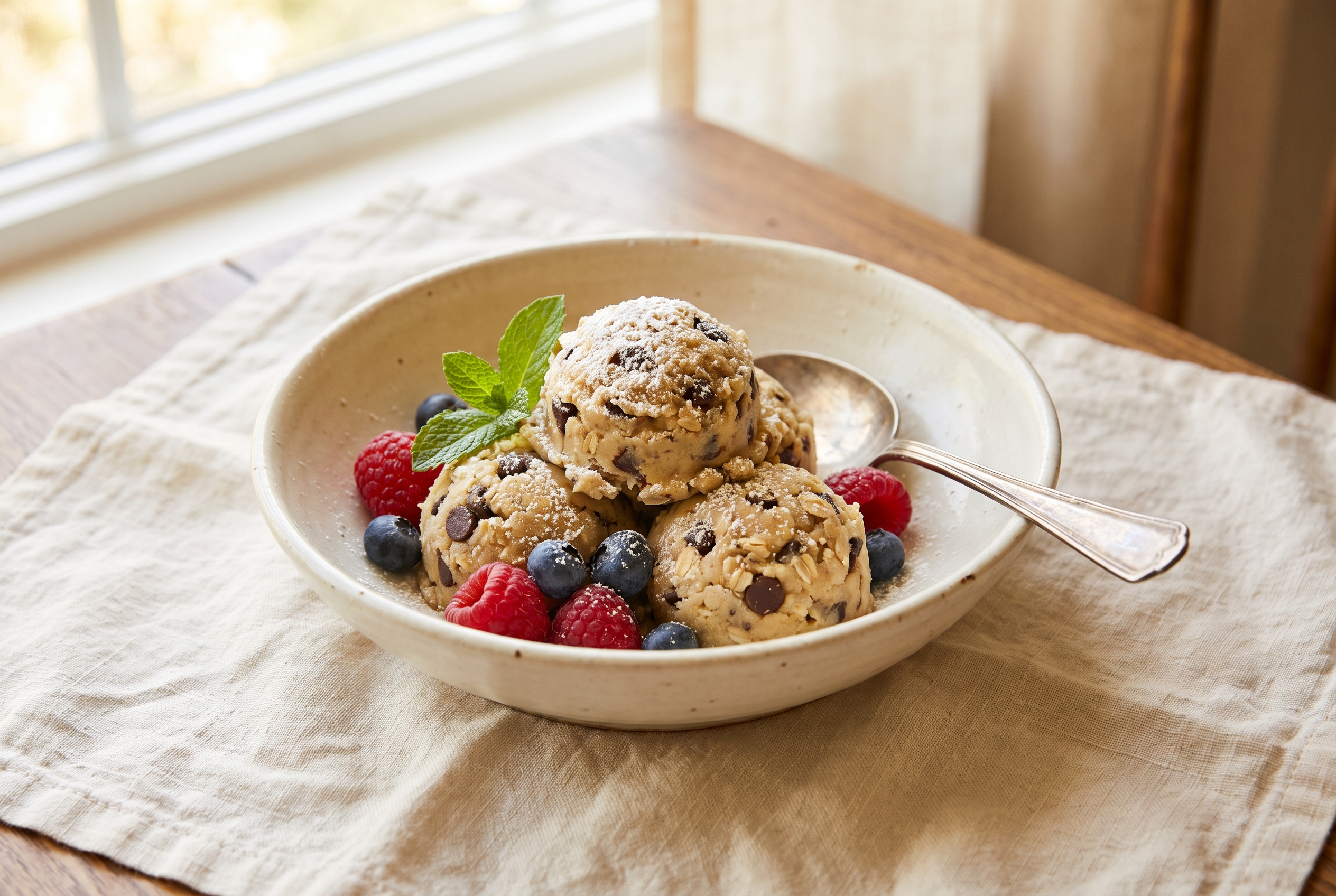
Cottage cheese cookie dough is the viral high protein snack I rolled my eyes at and now make twice a week — cottage cheese blended completely smooth with vanilla protein powder, almond flour and a little maple syrup, then loaded with mini chocolate chips, for a thick, spoonable edible cookie dough with 16 grams of protein a serving and no raw egg or raw flour.
It tastes like the cookie dough you sneak from the bowl, with a faint cheesecake tang that I have come to love. I tested it with four protein powders and three cottage cheeses; the version below is the one that is thick enough to scoop, not grainy, and not sweet in a fake way. It is blended the same way as my chocolate cottage cheese mousse, just stiffened with almond flour so it eats like dough.
 Save recipes like this straight from TikTok and plan your week in minutes with RecipeLoop, the free AI meal planner.
Why this cottage cheese cookie dough actually tastes like cookie dough.
- Blending first is the whole trick. Blending the cottage cheese on its own for a full minute before anything else goes in turns the curds into something as smooth as cream cheese. Skip it and you get lumpy, obviously-cottage-cheese dough. It is why my cottage cheese cheesecake is silky, too.
- Almond flour gives it the texture of real dough. Almond flour thickens the blend into something you can scoop and adds a buttery, toasted flavor that reads as cookie. Unlike wheat flour, it does not need to be heat-treated before you eat it raw, and it adds healthy fat and a little fiber.
- Sixteen grams of protein in a dessert-sized portion. A third of a cup is a proper late-night treat that also moves you toward your protein goal. If you are tracking, drop it into the protein calculator alongside the rest of your day.
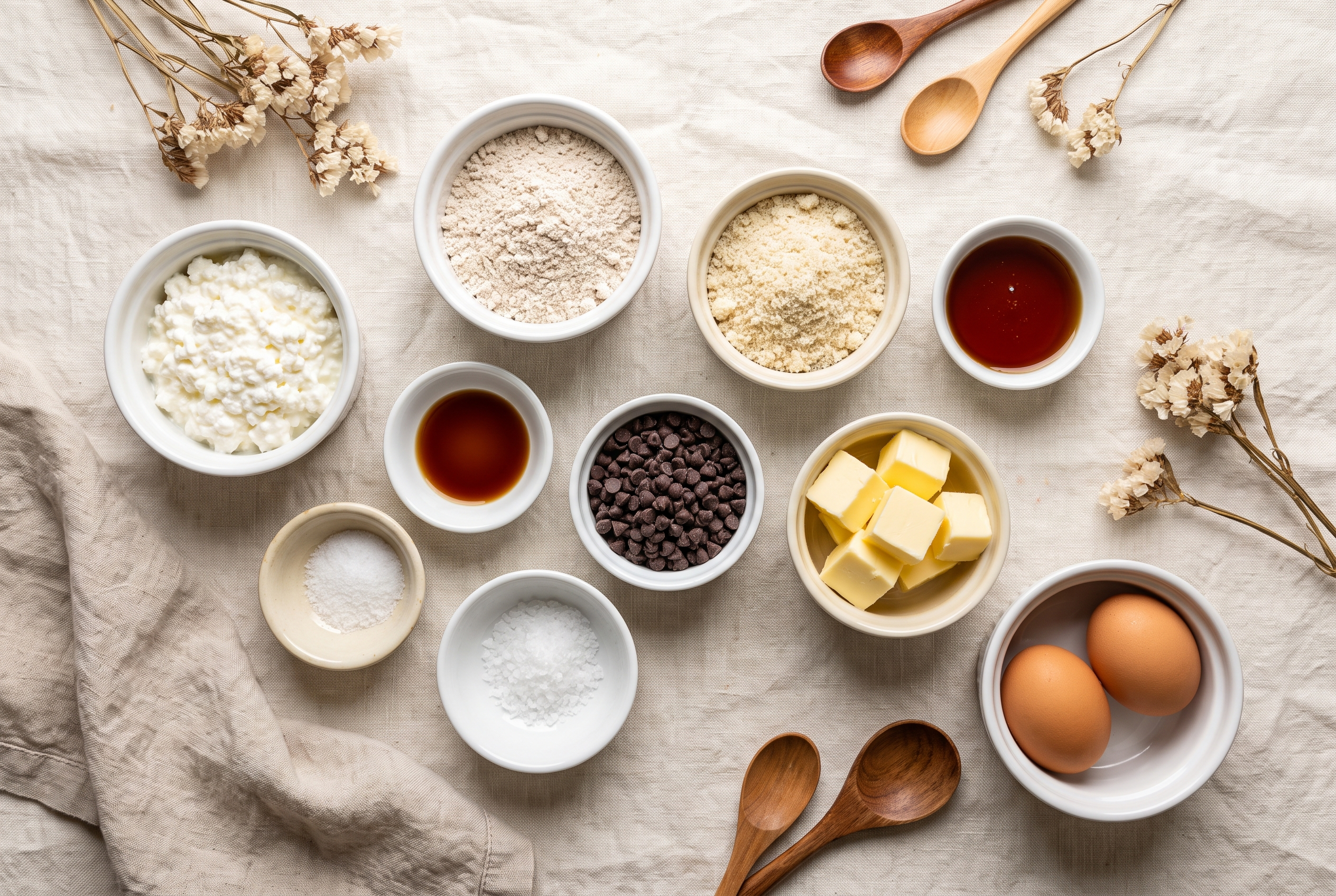
Here's what you'll need.
Full-fat cottage cheese, vanilla protein powder (whey or a whey-casein blend), fine almond flour, maple syrup, vanilla extract, a pinch of salt, and mini chocolate chips. That is it: no eggs, no butter, no oven.
Here's how it all comes together.
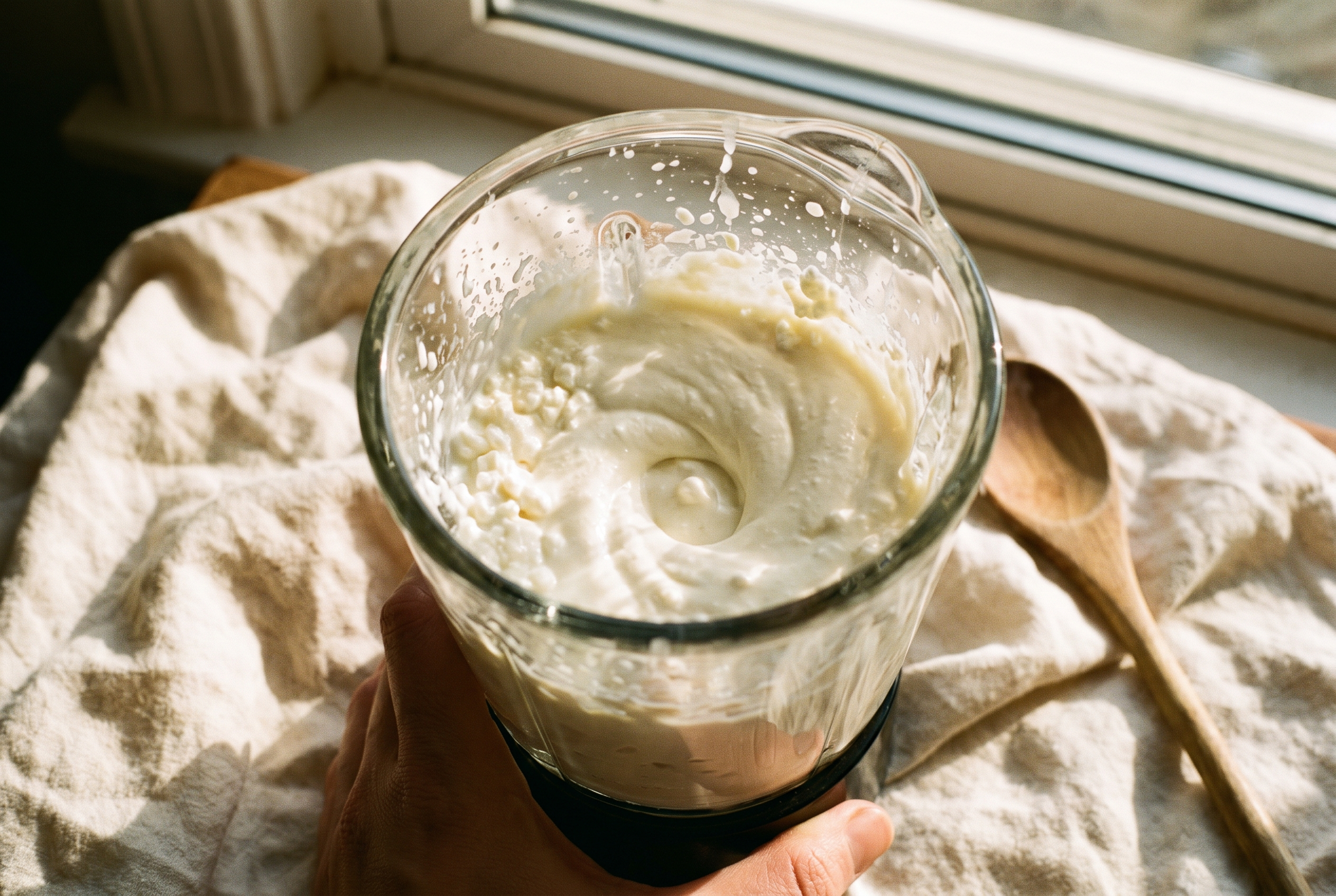
Put the cottage cheese in a small blender or food processor and blend for 45 seconds to a minute, scraping down once, until it is completely smooth and glossy with no curds at all. Do this before adding anything else; once the dry ingredients go in, the mixture gets too thick to blend out the lumps.
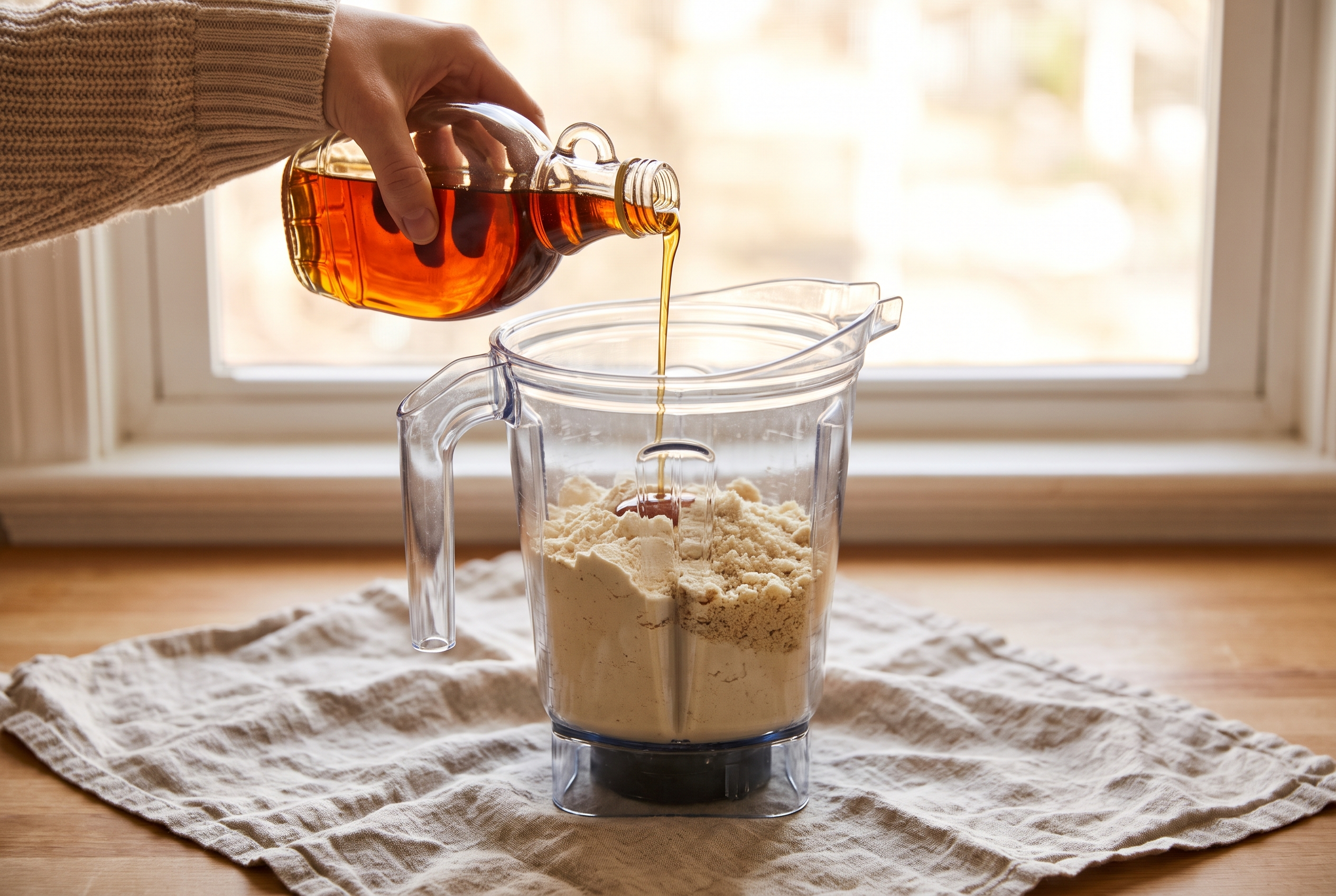
Add the protein powder, almond flour, maple syrup, vanilla and salt to the blender. Pulse in short bursts, scraping down the sides, until it comes together into a thick, uniform paste. It will be heavy and stiff, which is what you want; if your blender stalls, finish mixing by hand in the next step.
Scrape every bit of the dough out of the blender into a bowl with a flexible spatula. Taste it: if it is looser than you like, stir in another tablespoon of almond flour; if it is too thick, a teaspoon of milk loosens it. Different protein powders absorb very different amounts of liquid, so this is where you adjust.
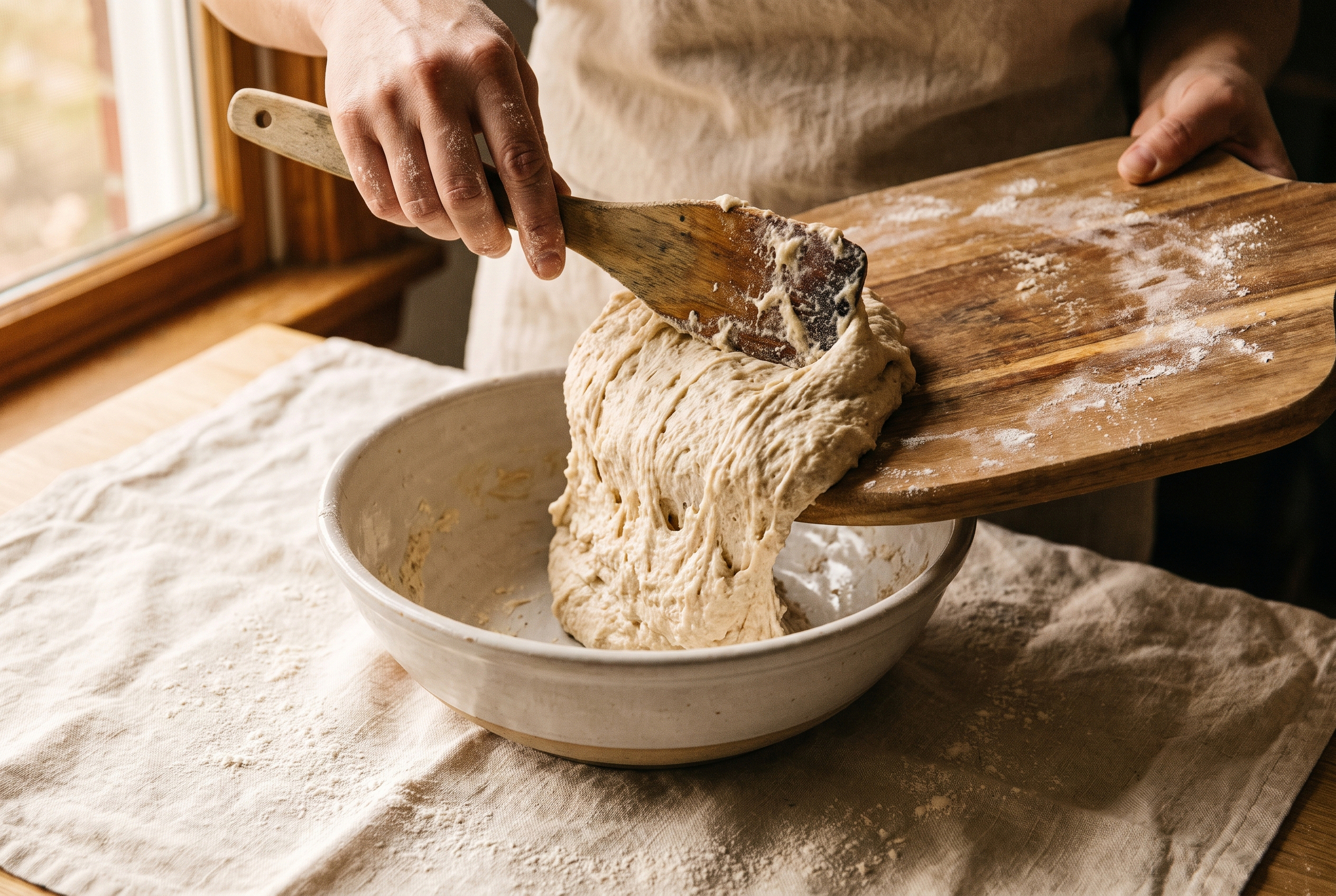
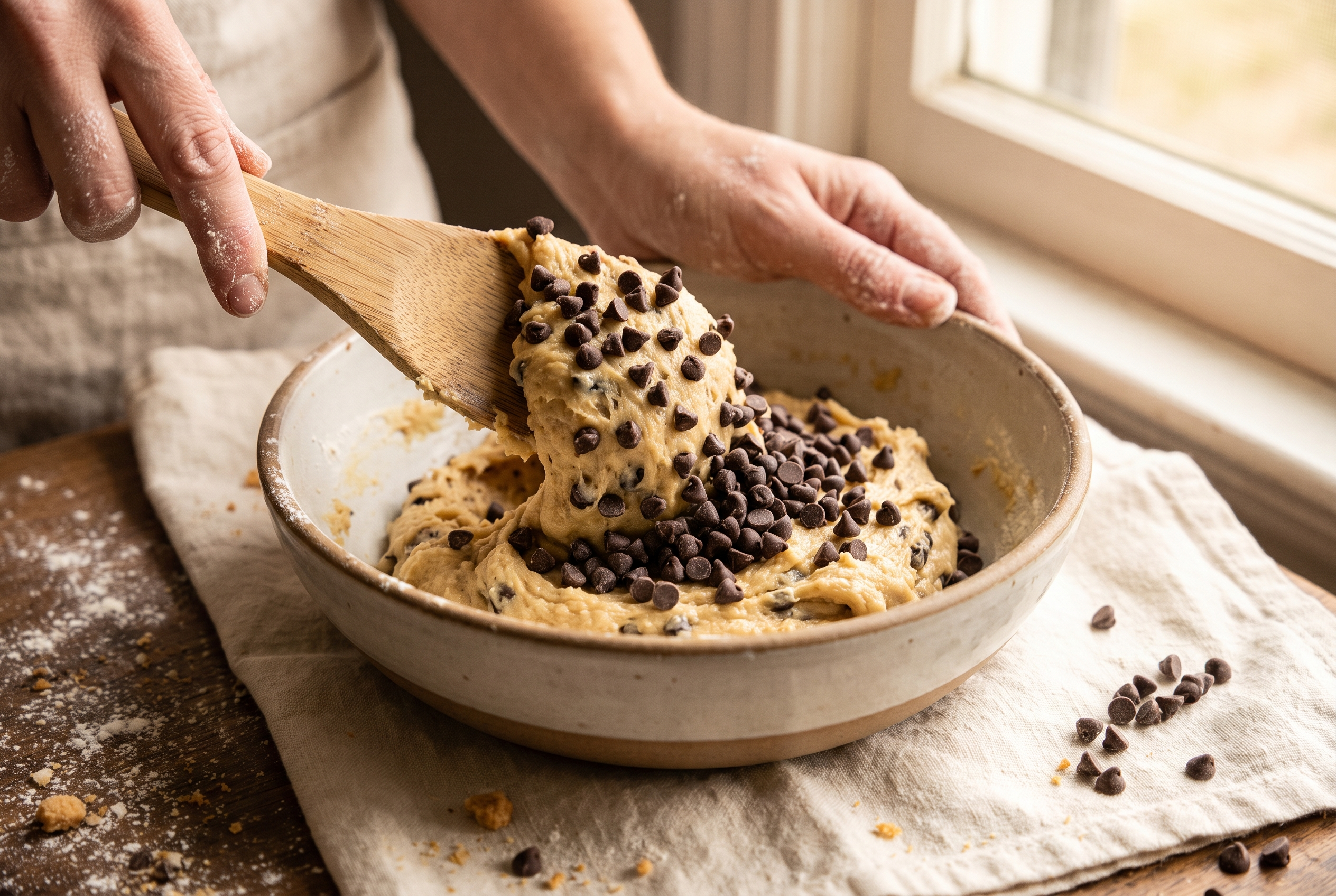
Fold in the mini chocolate chips by hand. Mini chips spread through the dough so every spoonful has chocolate; regular chips work but sink. Chopped dark chocolate, a swirl of peanut butter, or a few sprinkles for a birthday-cake version are all good here.
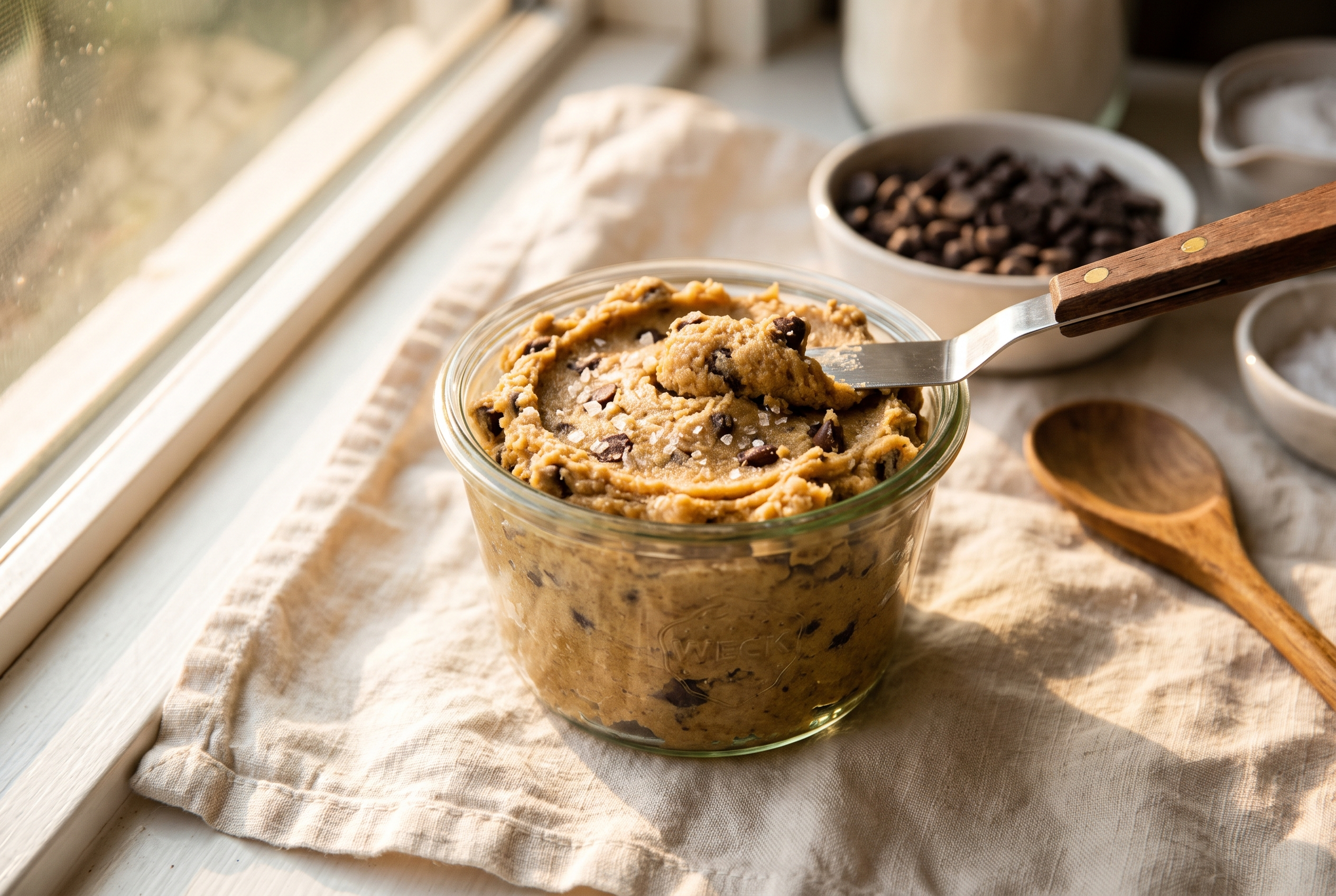
Spoon the cookie dough into a small glass container or four individual jars and smooth the top. It is good right away, but 30 minutes in the fridge firms it up and makes it taste even more like real cookie dough. Portioning it into jars means one serving is one serving.
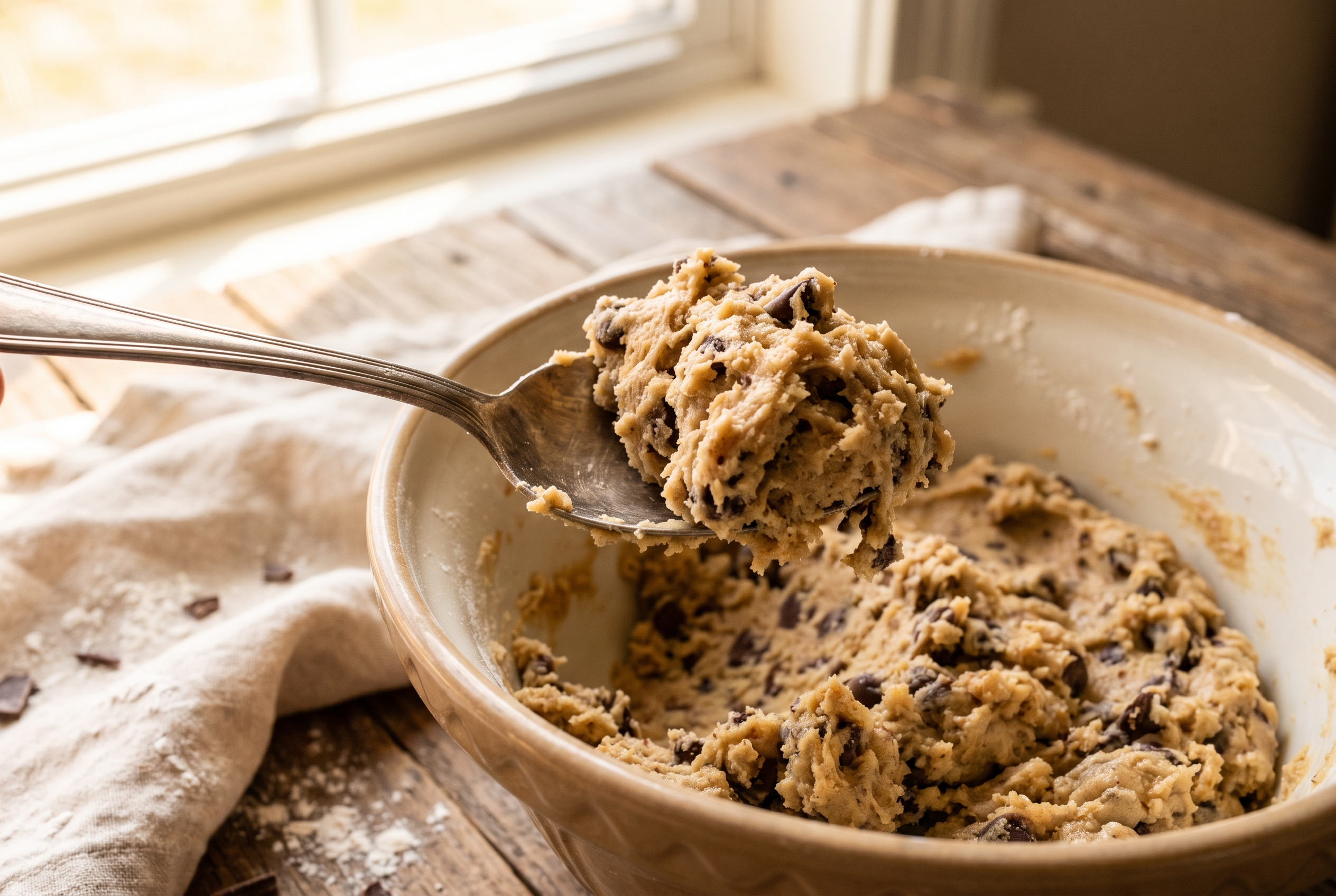
Eat it with a spoon straight from the container, spread it on apple slices, or roll it into small balls for a grab-and-go snack. A serving is about a third of a cup, and it keeps in the fridge for four days.
 If you are eating high protein on purpose and still want dessert every night, every treat in this book is built like this one, the Ultimate GLP-1 High Protein High Fiber Cookbook.
Things I learned while testing this recipe.
- Full-fat cottage cheese blends smoothest. Low-fat and nonfat cottage cheese have more liquid and make a looser, slightly grainy dough. Full-fat (4%) small-curd blends like cream cheese and tastes richer, which matters when there is no butter.
- Your protein powder decides the texture. A whey or whey-casein vanilla powder gave me the best, creamiest dough. Plant proteins thicken a lot more and taste earthy; if you use one, add a splash of milk and a little extra maple syrup. Pick a powder you already like the taste of, because it is not baked away.
- Chill it for the best texture. Straight from the blender it is soft, like frosting. Thirty minutes in the fridge firms it into scoopable dough, and the flavor settles so the tang of the cottage cheese fades into the background.
- Do not use regular all-purpose flour. Raw wheat flour is not safe to eat without heat-treating it first, and it tastes pasty here anyway. Almond flour, oat flour you have toasted, or a spoon of peanut butter powder are all better options.
Why cottage cheese cookie dough is my go-to high protein dessert.
- Ten minutes, no oven. Blend, stir, eat. It is faster than baking cookies and there is no temptation of a full tray on the counter, just four portioned jars in the fridge.
- Sixteen grams of protein for about 255 calories. A serving of regular edible cookie dough is mostly butter and sugar; this has the protein of two and a half eggs and still tastes like a treat.
- It satisfies a sweet tooth in a small portion. Rich, creamy and chocolatey, a third of a cup is genuinely enough. That makes it ideal on a smaller appetite, when you want something sweet but cannot face a big dessert.
Here's what I'd serve with this.
- Chocolate cottage cheese mousse — set out both for a high protein dessert board.
- Greek yogurt chocolate bark — another make-ahead freezer treat for the same sweet tooth.
- Cottage cheese protein pancakes — a spoonful of cookie dough on top turns breakfast into a weekend treat.
- High protein overnight oats — swirl a spoon of dough into the jar in the morning.
- Blueberry protein muffins — a protein snack pairing for the afternoon slump.
Just in case you have leftovers.
Storing: Keep the cookie dough in an airtight container in the refrigerator for up to 4 days; it firms up as it chills. To freeze, roll it into tablespoon-sized balls, freeze on a tray, then transfer to a freezer bag for up to 2 months.
Reheating: No reheating needed. If it has firmed up too much in the fridge, let it sit out for 10 minutes and stir. Frozen cookie dough balls can be eaten straight from the freezer after 5 minutes on the counter, like a little bite of ice cream.
More easy dessert recipes...
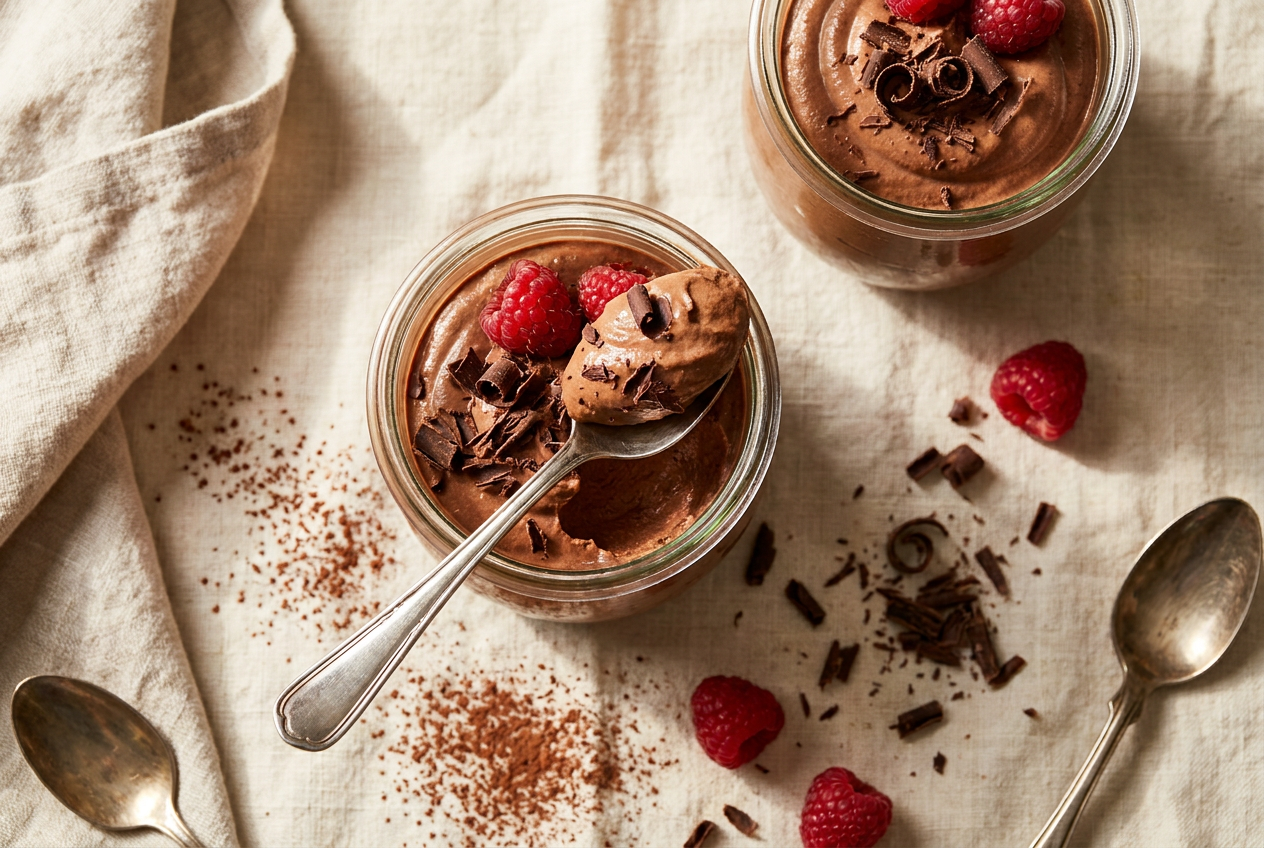 Chocolate cottage cheese mousse
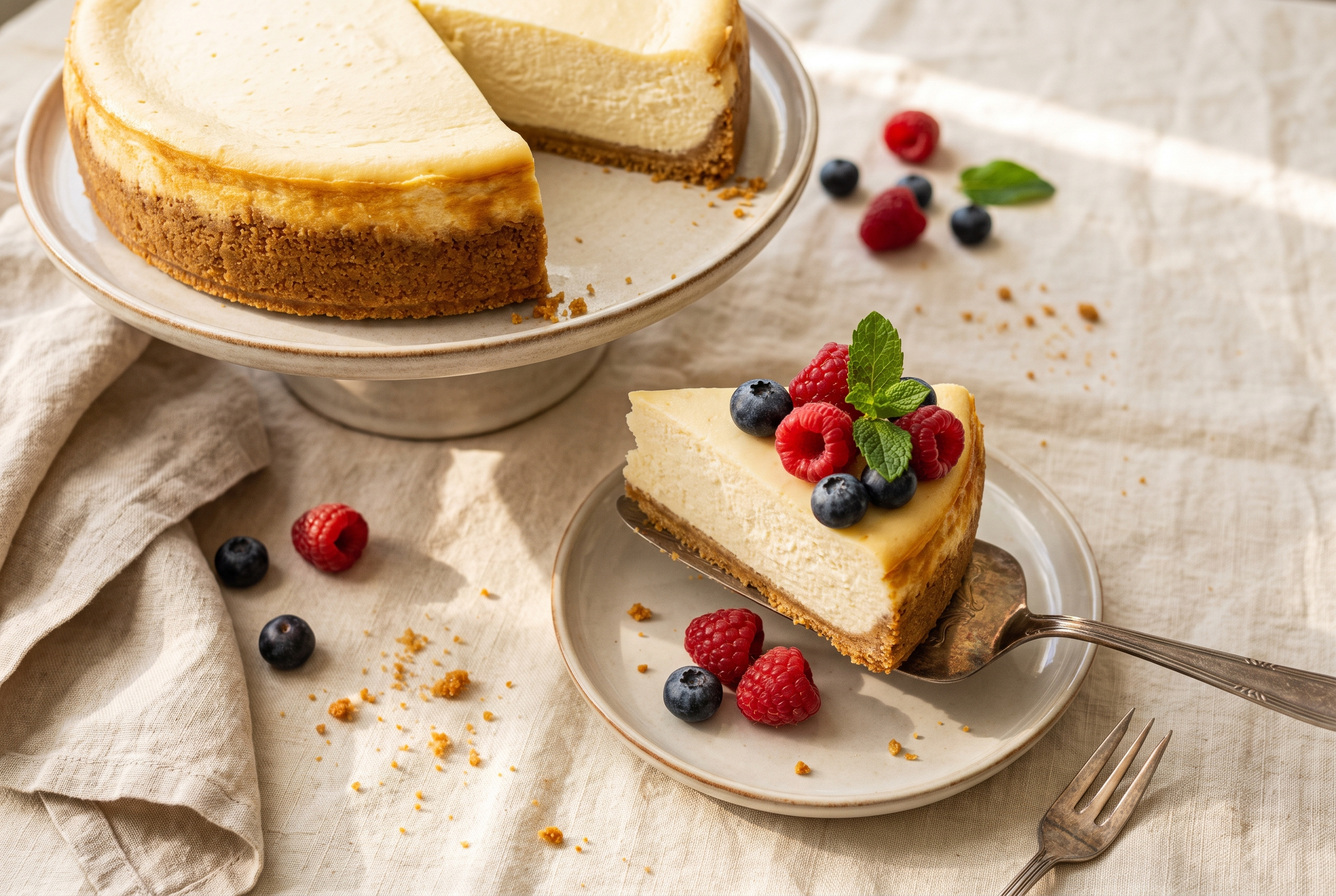 Cottage cheese cheesecake
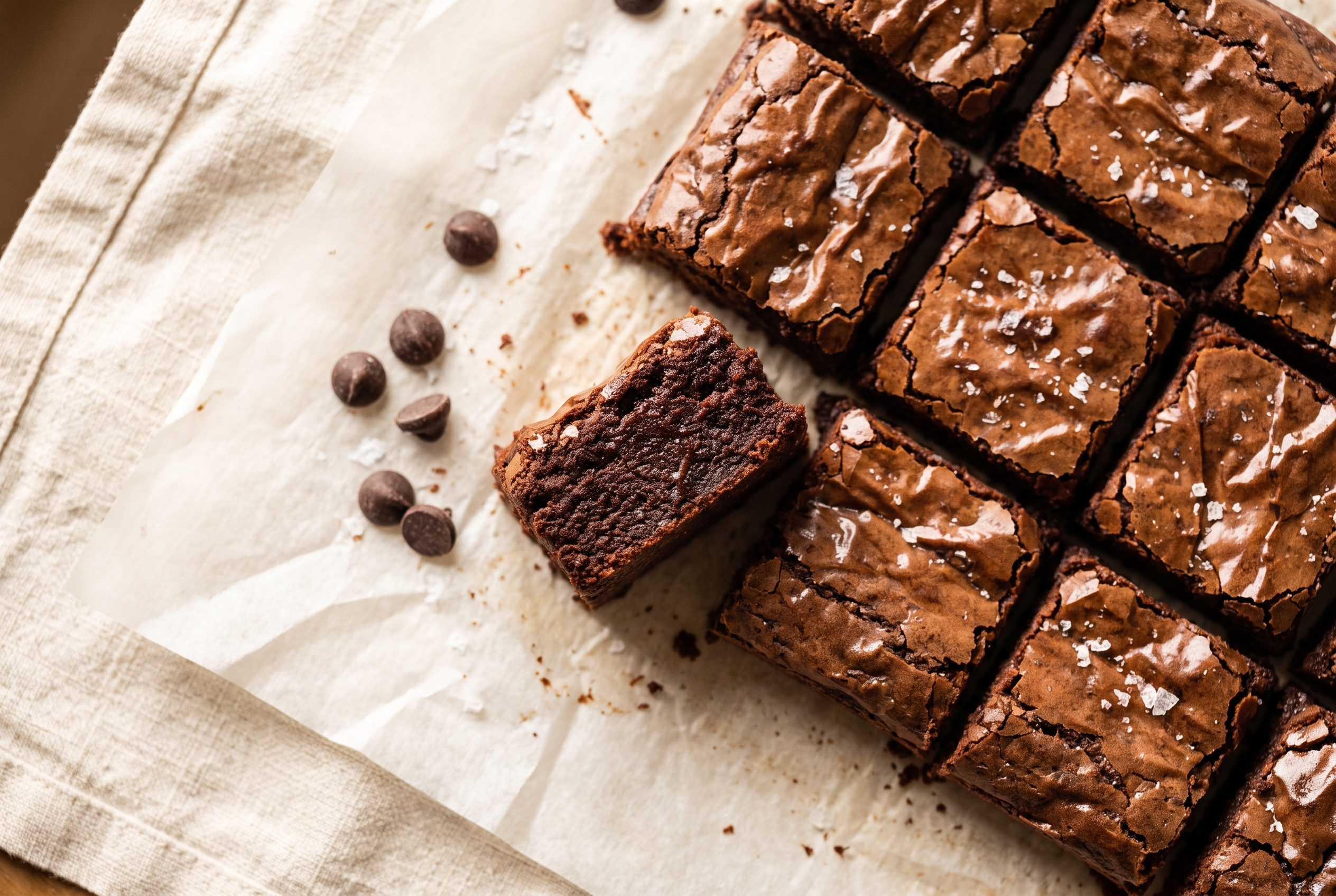 Fudgy protein brownies
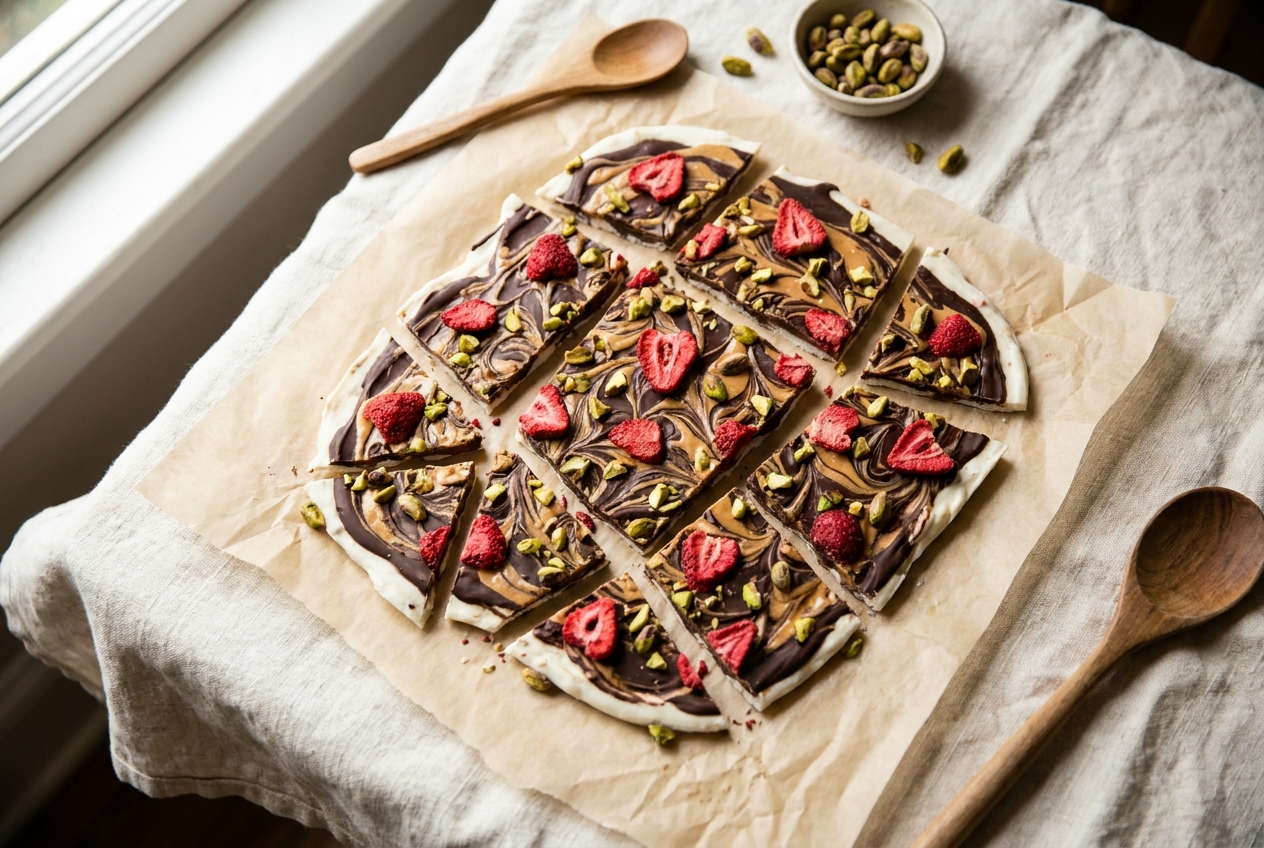 Greek yogurt chocolate bark
If you are on a cottage cheese kick, my cottage cheese flatbread is the savory side of the same trick. And today's other new recipes include pumpkin protein muffins with 12g protein each and a warm blackberry cobbler for the weekend.
Cottage Cheese Cookie Dough
Edible high protein cookie dough made with cottage cheese blended smooth, vanilla protein powder, almond flour and maple syrup, loaded with mini chocolate chips. No raw eggs, no baking, 10 minutes and 16g protein a serving.
Ingredients
- 1 cup full-fat (4%) small-curd cottage cheese
- 1 scoop (about 30 g) vanilla whey or whey-casein protein powder
- ½ cup (56 g) fine blanched almond flour
- 2 tablespoons pure maple syrup (or to taste)
- 1 teaspoon vanilla extract
- Pinch of kosher salt
- ¼ cup mini chocolate chips
- Milk, 1 teaspoon at a time, if needed
Instructions
- Blend: Blend the cottage cheese for 45–60 seconds, scraping once, until completely smooth.
- Mix: Add the protein powder, almond flour, maple syrup, vanilla and salt and pulse until a thick, uniform dough forms.
- Adjust: Scrape into a bowl. Stir in a tablespoon more almond flour if too loose, or a teaspoon of milk if too stiff.
- Chips: Fold in the mini chocolate chips.
- Chill: Spoon into a container or 4 small jars and chill 30 minutes for the firmest texture (optional).
- Serve: Eat with a spoon, spread on apple slices, or roll into balls. Refrigerate up to 4 days.
Notes
Blend the cottage cheese before adding anything else — that is what makes it smooth. Full-fat cottage cheese gives the creamiest result. Protein powders vary a lot in how much liquid they absorb, so adjust with almond flour or milk. For a nut-free version, use oat flour that you have toasted in a dry skillet for 5 minutes. Nutrition is per ⅓-cup serving and varies with the protein powder.
High protein desserts built for a GLP-1 appetite.
The Ultimate GLP-1 High Protein High Fiber Cookbook is full of treats and snacks like this one — small, satisfying portions with real protein, so dessert works for your goals instead of against them.
Meal-plan the whole week around recipes like this with RecipeLoop — save recipes from anywhere, get a grocery list automatically.Cottage cheese cookie dough FAQ
Does cottage cheese cookie dough taste like cottage cheese?
Not once it is blended completely smooth. It tastes like vanilla cookie dough with a slight cheesecake tang, and chilling it for 30 minutes mellows the tang further. Lumpy dough is what gives it away, so blend the cottage cheese on its own first.
Is cottage cheese cookie dough safe to eat raw?
Yes. It contains no raw eggs and no raw wheat flour, the two ingredients that make regular cookie dough unsafe to eat. Everything in it — pasteurized cottage cheese, protein powder, almond flour, maple syrup and chocolate — is meant to be eaten as is.
How much protein is in cottage cheese cookie dough?
About 16g of protein per ⅓-cup serving, from 1 cup of full-fat cottage cheese, a scoop of vanilla protein powder and almond flour split into four portions, at roughly 255 calories each. The exact number depends on your protein powder.
Can I make cottage cheese cookie dough without protein powder?
Yes. Leave it out and add 2 to 3 more tablespoons of almond flour and a little more maple syrup to taste. It will be about 9g of protein per serving and a little softer, more like a cheesecake dip.
How long does cottage cheese cookie dough last in the fridge?
Up to 4 days in an airtight container in the refrigerator. It also freezes well rolled into balls for up to 2 months; let them sit out for 5 minutes before eating.