Cottage Cheese Scrambled Eggs (Creamy, High Protein, 10 Minutes)
These cottage cheese scrambled eggs are the breakfast I make more than any other recipe on this site, and they are the reason I stopped buying heavy cream for my eggs: a few spoonfuls of cottage cheese whisked right into the eggs melts into the softest, creamiest curds you have ever had, with no cream and a lot more protein. Ten minutes start to finish, 27g of protein a serving once they land on sourdough with avocado, and the little curds of cottage cheese that do not fully melt turn into creamy pockets that honestly taste like somebody stirred in ricotta. If you already love my cottage cheese egg bites or the cottage cheese protein pancakes, this is the fastest version of that same idea, and on weekends I serve it next to a square of apple cinnamon baked oatmeal for a breakfast that holds everybody until lunch.

 Save recipes like this straight from TikTok and plan your week in minutes with RecipeLoop, the free AI meal planner.
Why scrambled eggs with cottage cheese are creamier than any other scramble.
- Cottage cheese does what cream does, with protein instead of fat. Cream makes scrambled eggs soft because the extra fat and liquid slow down how fast the proteins set. Cottage cheese does the same thing, but a half cup brings about 13g of protein along with it. Whisked in before cooking, most of it melts into the eggs and the rest turns into tiny creamy pockets. There is no tang and no texture anyone would call “cottage cheese” — my kids have eaten these for two years and still have no idea.
- Low heat is the whole technique. The difference between rubbery eggs and silky ones is temperature, not ingredients. These cottage cheese scrambled eggs cook over low heat in foaming butter, pushed slowly with a spatula, and come off the stove while they still look a little underdone. The carryover heat finishes them on the plate. It takes about 4 minutes instead of 90 seconds, and it is the best 2 1/2 minutes you will spend all morning.
- It is a real high protein breakfast in 10 minutes. Four eggs plus cottage cheese split between two plates lands 27g of protein a serving with the toast and avocado, which is more than my egg white breakfast wraps and almost as much as the high protein breakfast burritos — with one pan and nothing to assemble. It has become my default quick breakfast on school mornings.
Here's what you'll need.
Eight ingredients, and you probably have all of them: eggs, full-fat cottage cheese, butter, fresh chives, salt and pepper, a couple of slices of sourdough and half an avocado for the plate.

Here's how it all comes together.
Crack the eggs into a medium bowl and add the cottage cheese, salt and pepper right on top. Salting now, before they cook, actually makes scrambled eggs more tender — the salt loosens the proteins so they set softer. Get the toast going in the toaster now too.

Whisk for a good 30 seconds, until the yolks and whites are fully combined and the cottage cheese has broken up into small flecks. It will not go completely smooth, and you do not want it to — those little curds become the creamy pockets. If you would rather have a perfectly uniform scramble, 10 seconds with an immersion blender does it.

Set a 10-inch nonstick skillet over low heat and add the butter. Let it melt and start to foam gently — that is the signal the pan is at the right temperature. If it browns or sputters, the pan is too hot; pull it off for a minute before you add the eggs.

Pour in the egg mixture and let it sit for 20 seconds, then start pushing it from the edges toward the center with a silicone spatula in slow, wide strokes. Keep going, pausing a few seconds between strokes, as big soft curds form. This takes 3 to 4 minutes over low heat. Do not stir fast and do not turn the heat up, even if it feels like nothing is happening.

When the eggs are about 80 percent set — soft, mounded curds with a glossy, slightly wet look on top — take the pan off the heat. They will keep cooking from the heat of the pan for another 30 seconds and finish perfectly on the plate. If they look completely done in the pan, they will be dry by the time you sit down.

Spoon the eggs onto the sourdough toast, scatter the chives over the top with a crack of black pepper and flaky salt, and lay the avocado slices alongside. Eat right away — soft scrambled eggs wait for no one.


 If a 10-minute, 27g-protein breakfast is exactly the kind of recipe you need more of, there is a whole breakfast chapter built on cottage cheese, eggs and Greek yogurt in the Ultimate GLP-1 High Protein High Fiber Cookbook.
Things I learned while testing this recipe.
- Full-fat cottage cheese, every time. Low-fat and nonfat cottage cheese release more water as they heat, which can make the scramble weep on the plate. 4% milkfat melts cleanly and makes the eggs taste rich. Small curd blends in most easily, but large curd works — just whisk longer.
- Drain very wet cottage cheese first. Some brands sit in a lot of liquid. If yours does, spoon it into a fine sieve for a minute before adding it to the eggs. Too much liquid is the only way these turn out watery.
- Nonstick and a silicone spatula. Soft scrambled eggs stick to stainless steel and tear when you push them with metal. A nonstick skillet and a flexible spatula let you make wide, slow strokes that fold the curds instead of breaking them up.
- Add cheese, herbs or greens at the end. A handful of baby spinach wilted into the butter first, a little shredded cheddar folded in during the last 30 seconds, or dill instead of chives all work. Everything goes in late so the eggs stay soft.
Why these are my go-to high protein breakfast.
- 27g of protein from one small pan. Two eggs alone give you about 13g. Add the cottage cheese, sourdough and avocado and a plate of these cottage cheese scrambled eggs lands 27g, which covers a real chunk of a morning protein target before 8 a.m.
- No cream, no cheese sauce, nothing extra to buy. The creaminess people chase with butter, cream and cheese comes from an ingredient you probably already keep for egg bites or cottage cheese flatbread, with far less saturated fat.
- It keeps you full until lunch. The protein and fat here digest slowly, and on GLP-1 or any appetite-managed plan a small, dense, protein-first breakfast like this is exactly what I reach for: filling without being heavy.
Here's what I'd serve with this.
- Apple cinnamon baked oatmeal — bake a pan on Sunday and the two together are my favorite weekend breakfast
- Air fryer smashed potatoes — crispy breakfast potatoes without a second skillet
- Blueberry protein muffins — one on the side turns this into a 35g breakfast
- Greek yogurt bagels — split, toasted and piled with the eggs instead of sourdough
- Cottage cheese flatbread — wrap the eggs and avocado in it for a breakfast taco
Just in case you have leftovers.
Storing: Soft scrambled eggs are at their best the minute they leave the pan, so I rarely make these ahead. If you do have leftovers, cool them and refrigerate in an airtight container for up to 2 days. The whisked raw mixture, on the other hand, keeps covered in the fridge for a day, so you can crack and whisk the night before and cook in the morning. Do not freeze cooked scrambled eggs; they turn watery and rubbery once thawed.
Reheating: Warm leftovers gently in a nonstick skillet over low heat with a small pat of butter, stirring for about a minute, or microwave at 50% power in 20-second bursts, stirring between each. Stop as soon as they are warm — a few seconds too long and they go from creamy to firm.
More easy breakfast recipes...
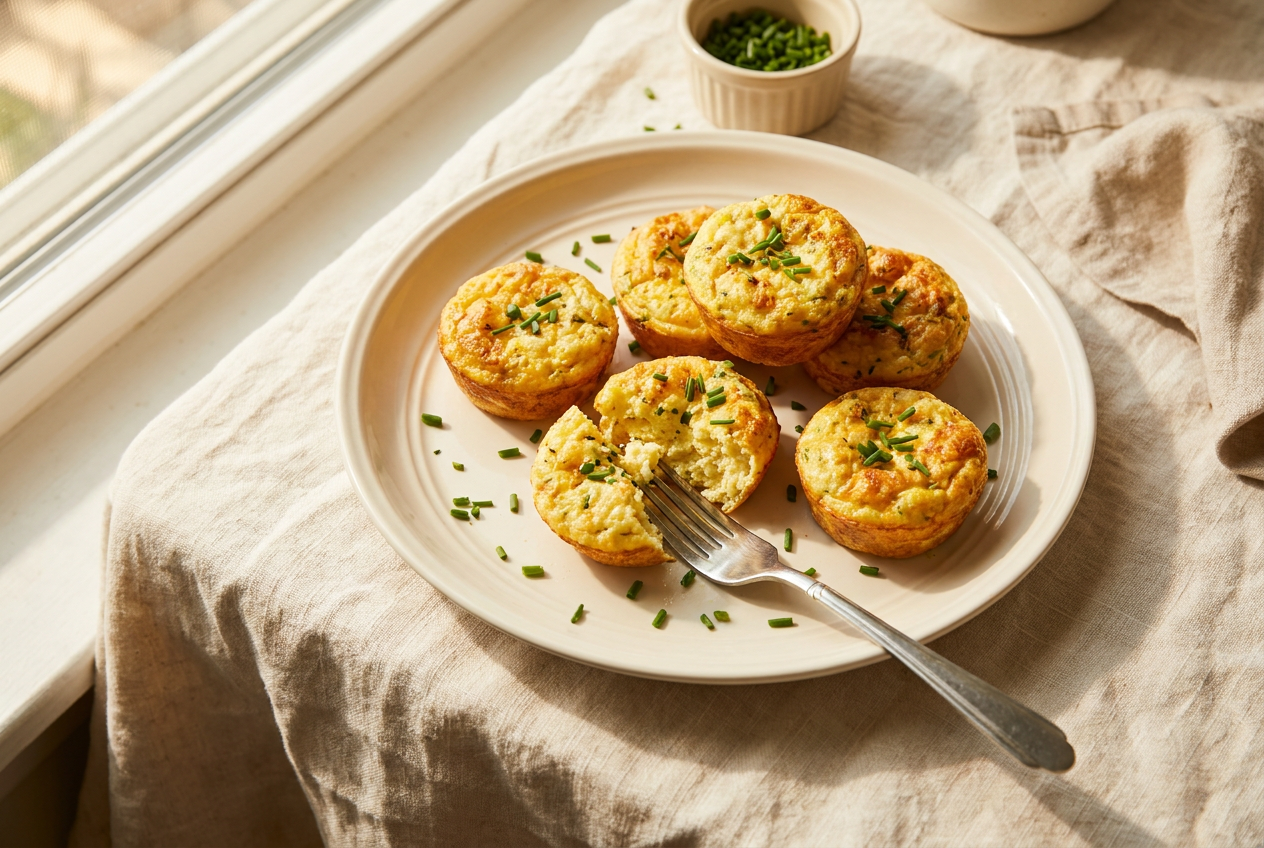 Cottage cheese egg bites
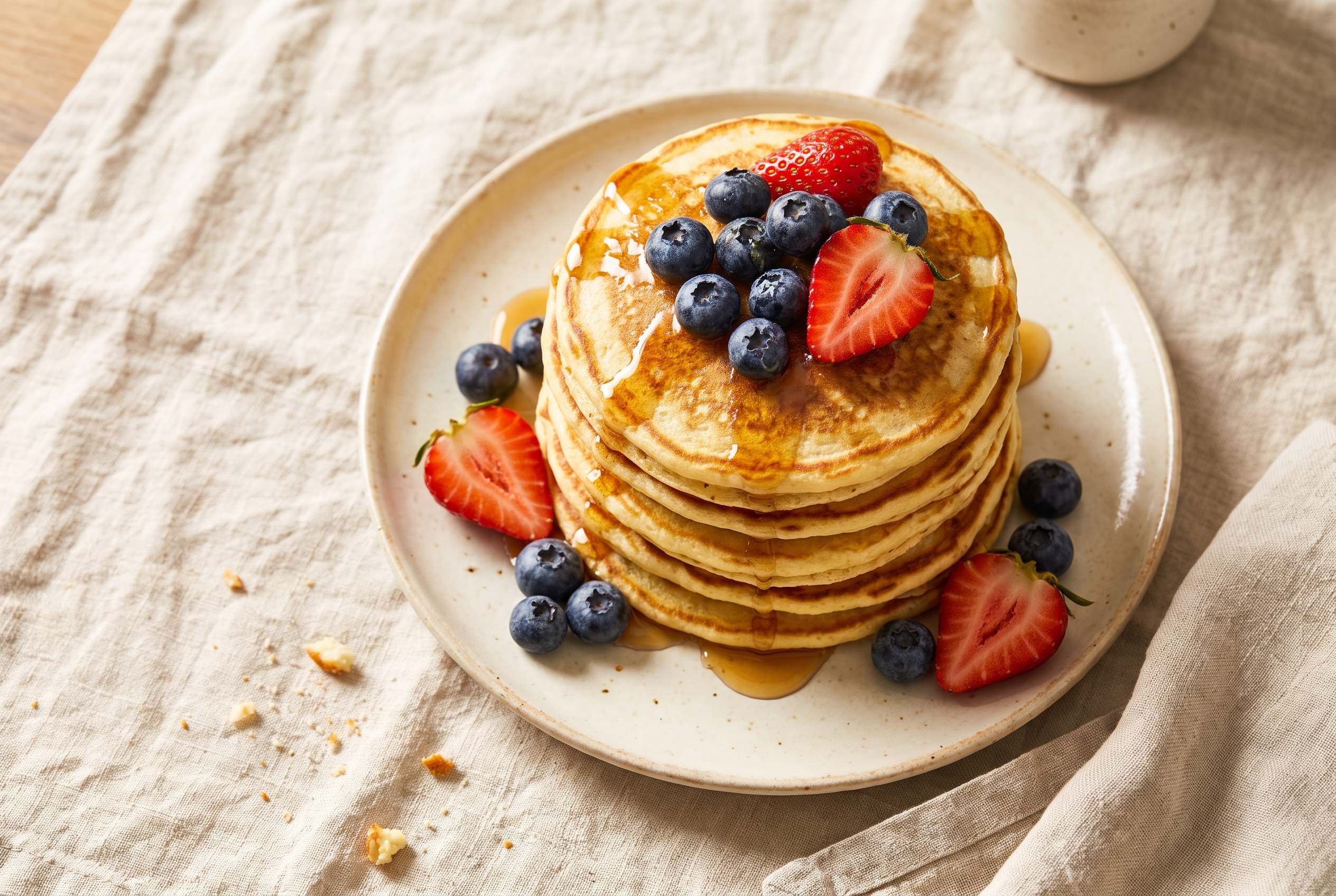 Cottage cheese protein pancakes
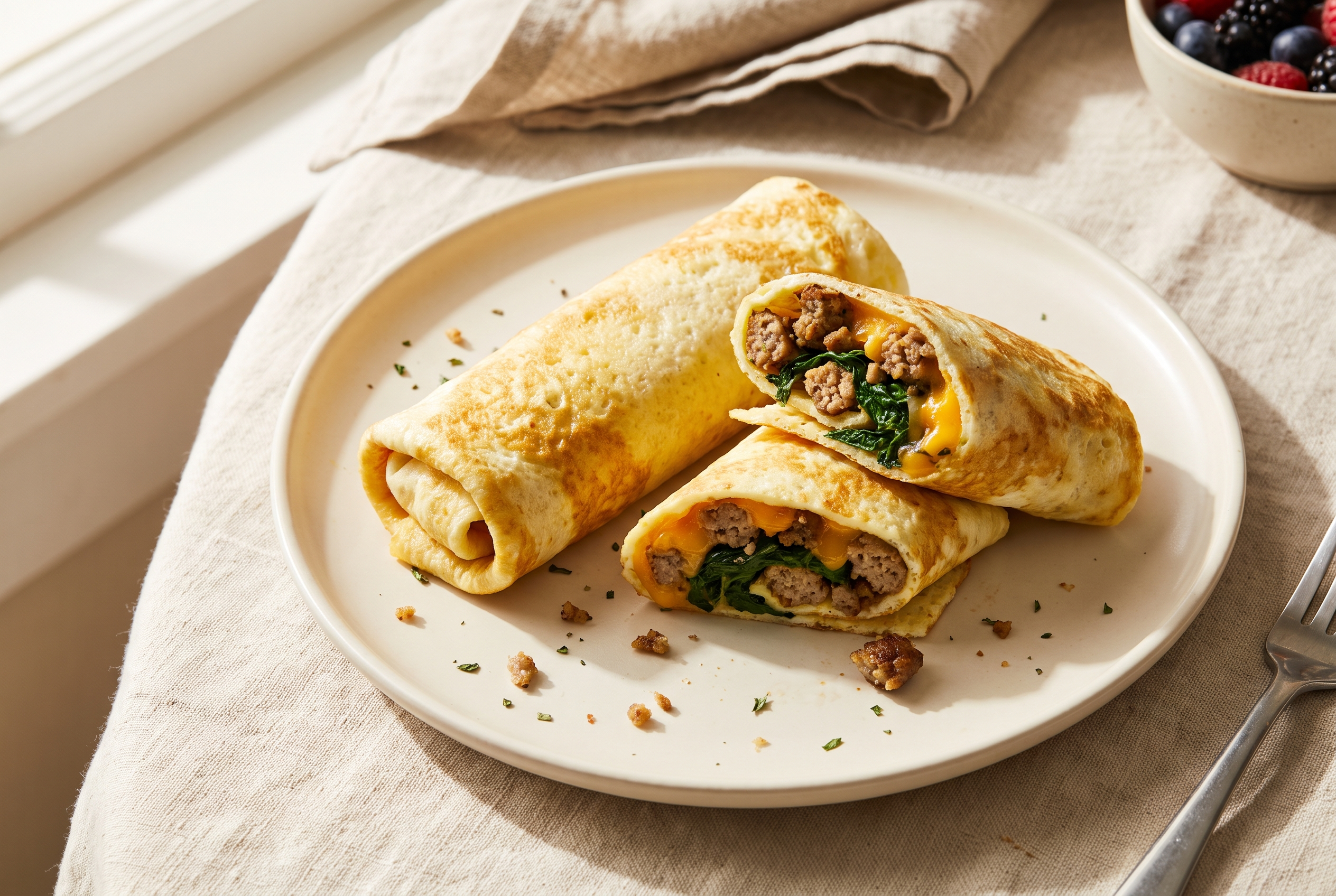 Egg white breakfast wraps
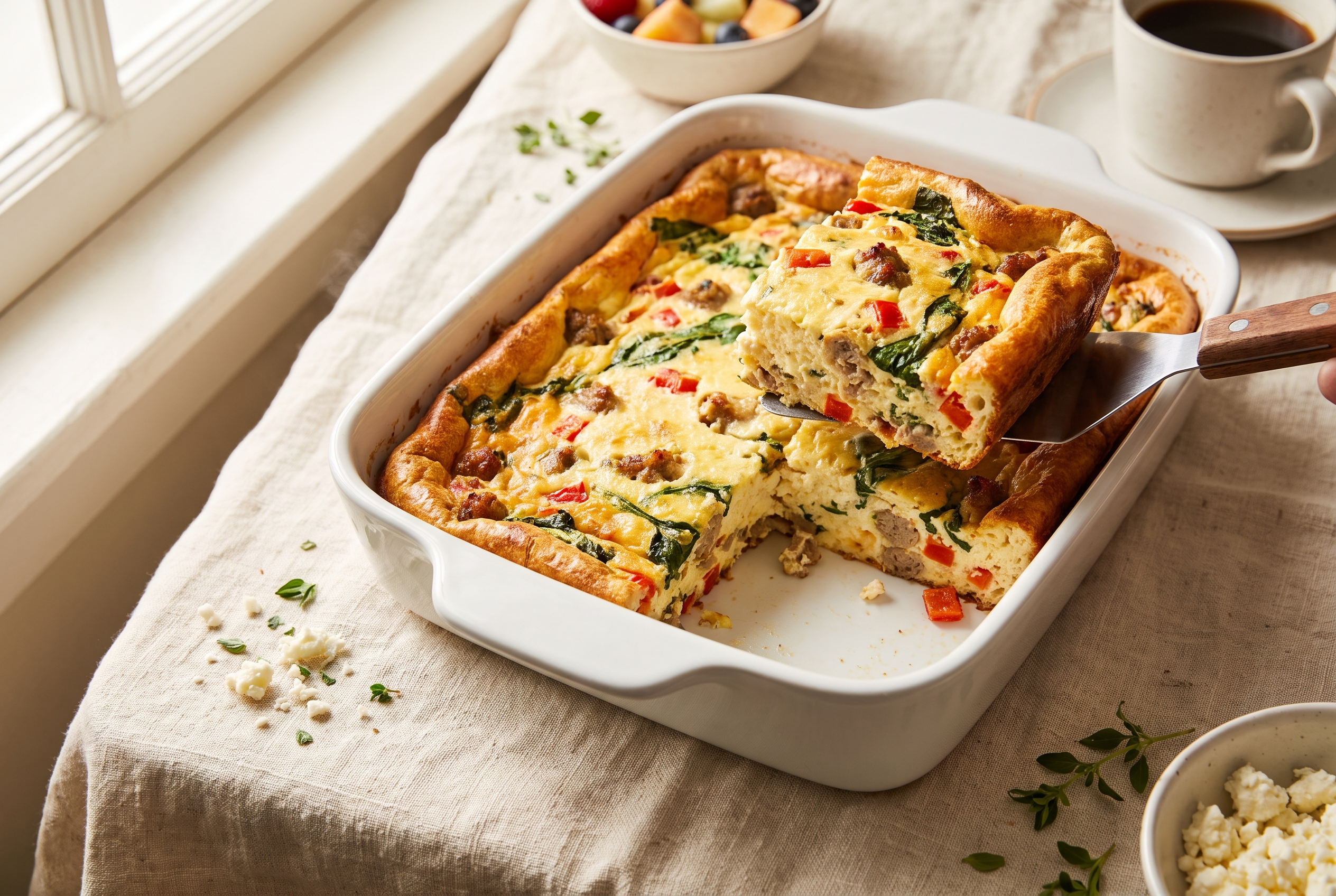 Cottage cheese breakfast casserole
Also new this week: apple cinnamon baked oatmeal — a make-ahead pan of cozy, custardy oats with 12g protein a square that I bake on Sunday and reheat all week.
Cottage Cheese Scrambled Eggs
Eggs whisked with full-fat cottage cheese and cooked low and slow in butter into soft, creamy curds, served on sourdough toast with chives and avocado. 10 minutes and 27g protein a serving.
Ingredients
- 4 large eggs
- 3/4 cup full-fat (4%) cottage cheese, drained if very wet
- 1/4 teaspoon kosher salt, plus flaky salt to finish
- 1/4 teaspoon freshly ground black pepper
- 1 tablespoon butter
- 2 tablespoons finely snipped fresh chives
- 2 thick slices sourdough bread, toasted
- 1/2 ripe avocado, sliced
Instructions
- Combine: Crack the eggs into a medium bowl and add the cottage cheese, salt and pepper. Start toasting the sourdough.
- Whisk: Whisk about 30 seconds until the eggs are fully blended and the cottage cheese is broken into small flecks.
- Heat the pan: Melt the butter in a 10-inch nonstick skillet over low heat until it just begins to foam.
- Scramble slowly: Pour in the eggs, wait 20 seconds, then push from the edges to the center with a silicone spatula in slow strokes, pausing between pushes, until large soft curds form, 3 to 4 minutes.
- Stop early: Remove the pan from the heat while the eggs are still glossy and slightly wet on top; they finish cooking off the heat.
- Serve: Spoon over the toast, top with chives, flaky salt and pepper, and serve with the avocado.
Notes
Nutrition includes the toast and avocado. For the eggs alone, each serving is about 230 calories and 19g protein. To make these for one, use 2 eggs and a heaping 1/3 cup cottage cheese; for four, use a 12-inch skillet and allow a minute or two longer. Swap the chives for dill, scallions or a spoon of pesto stirred in at the end.
More 10-minute, protein-first breakfasts
If these eggs are the kind of breakfast that works for you — fast, filling and quietly high in protein — the Ultimate GLP-1 High Protein High Fiber Cookbook has a whole chapter of them, built around eggs, cottage cheese and Greek yogurt.
Meal-plan the whole week around recipes like this with RecipeLoop — save recipes from anywhere, get a grocery list automatically.Cottage cheese scrambled eggs questions I get asked.
Can you taste the cottage cheese in cottage cheese scrambled eggs?
No. Whisked into the eggs and cooked gently, cottage cheese melts into creaminess with no tang. The only hint is the occasional soft, ricotta-like pocket, and most people assume it is cheese. If you want zero texture, blend the eggs and cottage cheese smooth before cooking.
Why are my cottage cheese eggs watery?
Either the cottage cheese was very wet or the heat was too high. Drain watery cottage cheese in a sieve for a minute, use full-fat, and cook over low heat; high heat squeezes liquid out of the curds and the eggs at the same time.
How much cottage cheese do you add to scrambled eggs?
About 2 to 3 tablespoons per egg. This recipe uses 3/4 cup for 4 eggs. Less gives a subtle creaminess; more starts to make the scramble loose and very soft.
How much protein is in scrambled eggs with cottage cheese?
Four eggs and 3/4 cup cottage cheese have about 38g of protein total, so 19g a serving for the eggs alone. With a slice of sourdough and avocado, a plate lands at 27g.
Can I make these with egg whites?
Yes. Use 1 cup liquid egg whites in place of the 4 whole eggs and keep the cottage cheese; the cottage cheese adds back the richness the yolks would have. They cook a little faster, so start checking at 2 minutes.