Creamy Butternut Squash Pasta with Crispy Sage (Roasted, Velvety, Mostly Hands-Off)
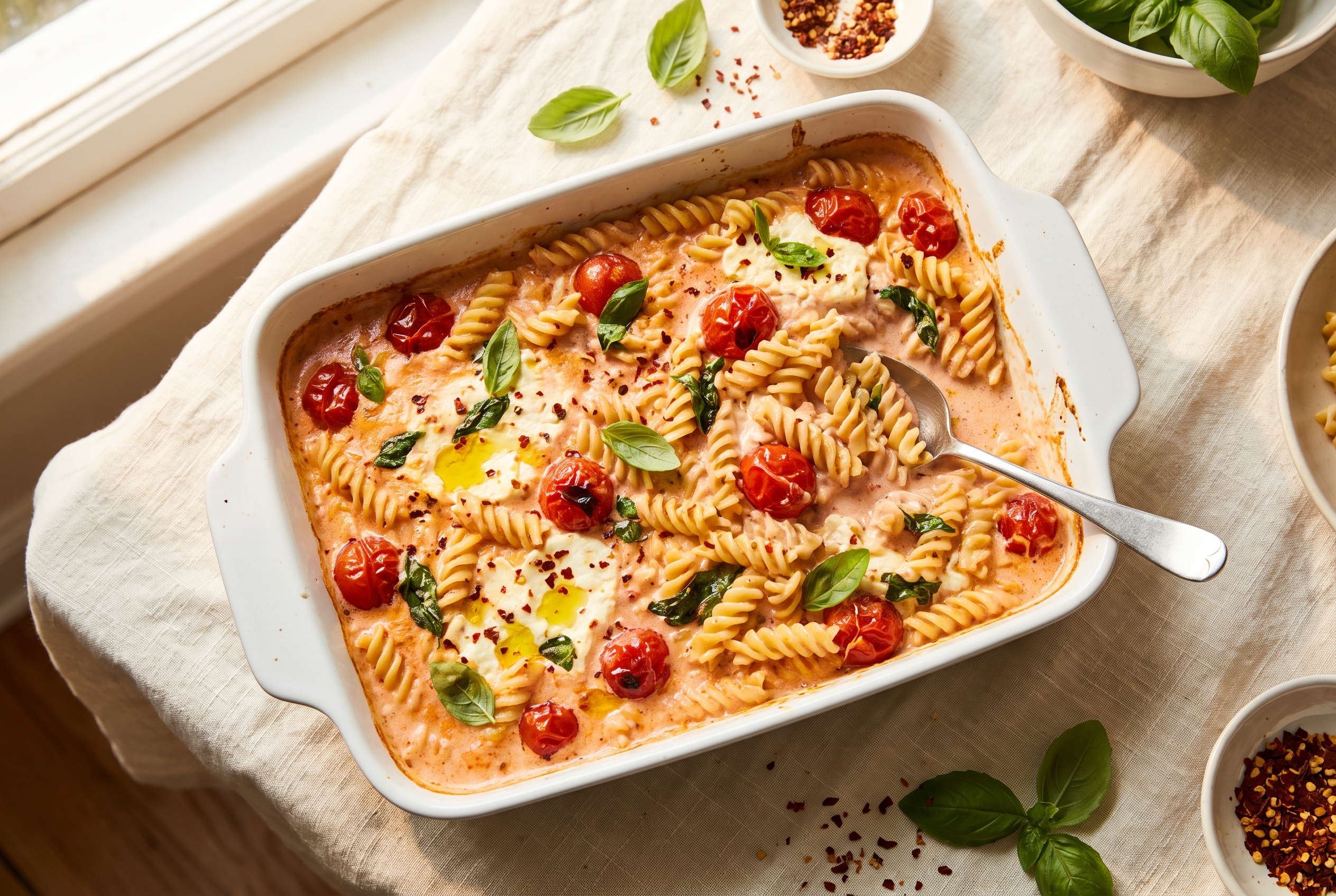
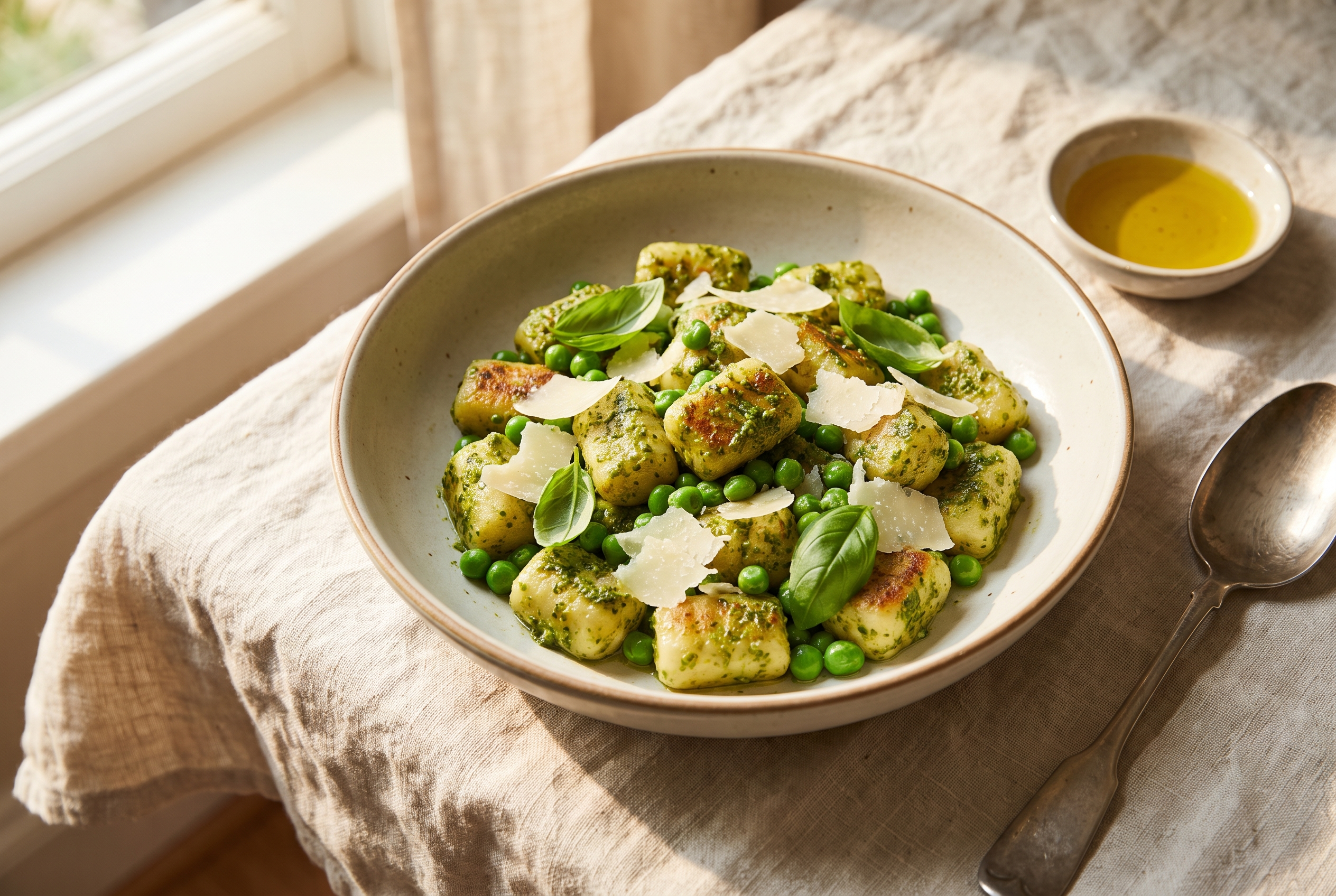
This creamy butternut squash pasta is the recipe that convinced my family a vegetable could be the sauce: cubed squash, a shallot and a whole head of garlic roast until caramelized and sweet, then get blended with parmesan, a little cream and a ladle of pasta water into a sauce so velvety and orange it looks like it should be heavier than it is. Tossed with rigatoni and topped with sage leaves fried crisp in brown butter, it is the kind of fall dinner that feels like a restaurant and costs a few dollars a plate. It takes 45 minutes but only about 15 of them are hands-on, it lands at 17g protein a serving, and it has joined baked feta pasta and cottage cheese gnocchi in the rotation of cozy pastas I make from the first cold week until spring.

 Save recipes like this straight from TikTok and plan your week in minutes with RecipeLoop, the free AI meal planner.
Why this butternut squash pasta sauce is so much better than the stovetop kind.
- Roasting is where all the flavor comes from. Boiled or steamed squash makes a sauce that tastes like baby food. Roasting the cubes at 425°F until the edges caramelize concentrates their sweetness and adds a toasty depth that makes the butternut squash pasta sauce taste rich on its own, before any cream goes in.
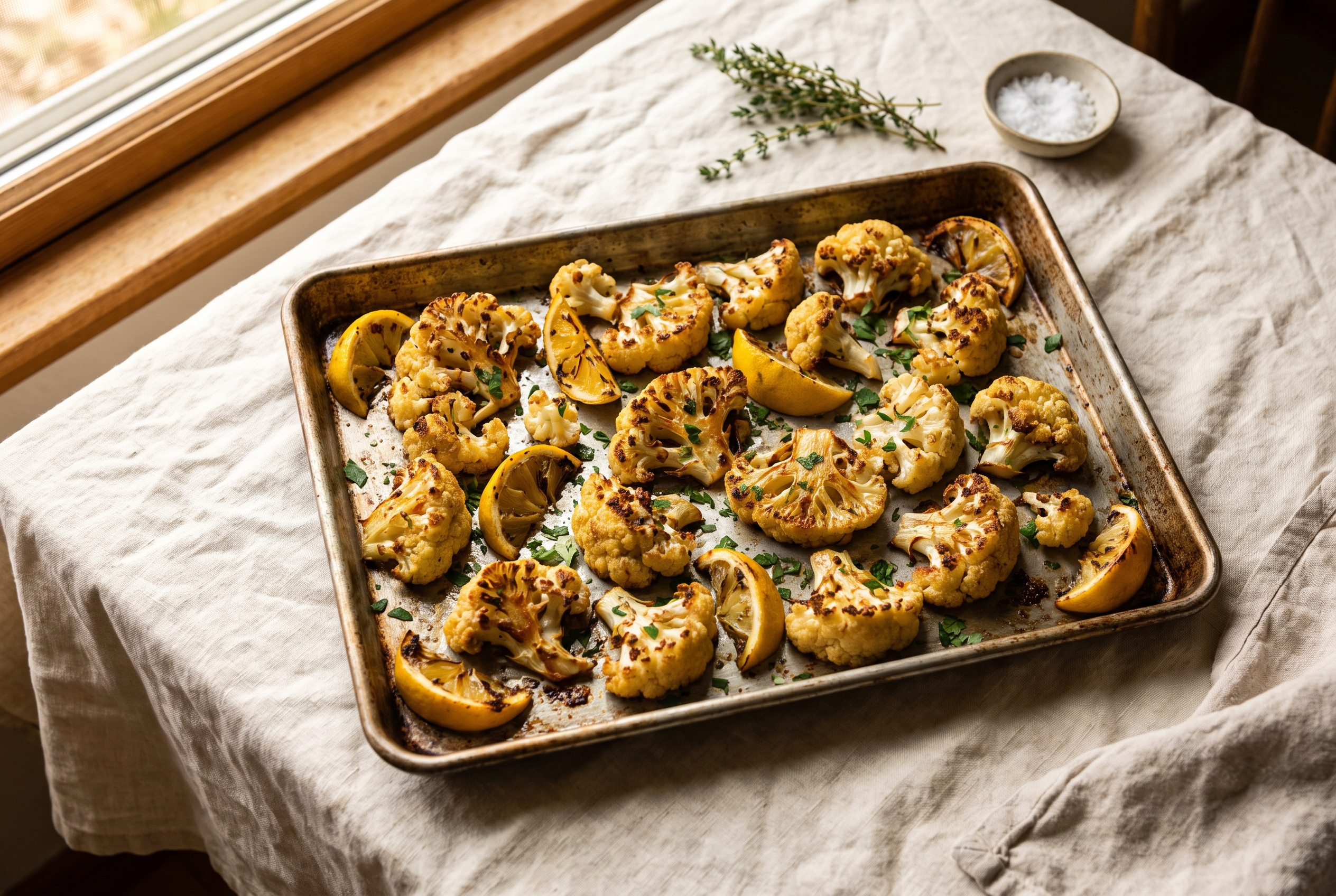
- A whole head of roasted garlic, not two raw cloves. Garlic roasted in its skin turns sweet, soft and mellow. Squeezing a whole head into the blender gives the creamy butternut squash pasta a savory backbone that balances the squash without any harshness. It is the same trick I lean on for roasted cauliflower.
- Pasta water makes it silky, so you need very little cream. The blended squash is already thick and creamy. A quarter cup of cream for richness, parmesan for salt and body, and starchy pasta water to loosen it is all it takes to get a sauce that coats rigatoni like a velvet glove.
Here's what you'll need.
Twelve ingredients, most from the produce aisle: cubed butternut squash, rigatoni, a head of garlic, a shallot, olive oil, parmesan, heavy cream (or milk), fresh sage, butter, nutmeg, salt and pepper.

Here's how it all comes together.
Heat the oven to 425°F. Spread the squash cubes and shallot halves on a large sheet pan, drizzle with olive oil, salt and pepper and toss. Slice the top off the head of garlic, drizzle it with oil, wrap it loosely in foil and tuck it onto the pan.

Roast 25 to 30 minutes, stirring once halfway, until the squash is deeply tender with browned, caramelized edges and the garlic cloves are soft and golden when you unwrap them. Those dark edges are flavor; do not pull it early.

Tip the squash and shallot into a blender and squeeze the roasted garlic cloves out of their skins into it. Add the parmesan, cream, nutmeg and a cup of hot pasta water (or broth) and blend on high until completely smooth and glossy, about 1 minute. Taste for salt.

While the squash roasts, bring a large pot of well-salted water to a boil and cook the rigatoni until 1 minute shy of al dente. Ladle out 2 cups of pasta water before draining — one for the blender, one for finishing.

In a small skillet, melt the butter over medium heat and add the sage leaves in a single layer. Fry 1 to 2 minutes, until the leaves are crisp and the butter smells nutty and turns golden brown. Lift the leaves onto a paper towel; save the brown butter.

Pour the sauce into a large skillet over medium heat, add the drained rigatoni and the sage brown butter and toss until every piece is coated, loosening with the remaining pasta water a splash at a time until glossy. Serve topped with the crispy sage, more parmesan and black pepper.


 If a sauce made from roasted vegetables and olive oil is your idea of comfort food, there is a whole way of eating built on exactly that in the Ultimate Slow Cooker Mediterranean Diet Cookbook.
Things I learned while testing this recipe.
- Buy pre-cubed squash. Peeling and cubing a whole butternut is the only hard part of this recipe. A 2-pound bag of cubes from the produce section costs a little more and saves 15 minutes and a sore wrist.
- Spread the squash out. A crowded pan steams instead of roasts. Use the biggest sheet pan you have, or two, so the cubes sit in a single layer with space between them.
- Blend it hot and blend it long. Hot squash blends smoother than cold, and a full minute on high is what turns it from pureed to velvety. Vent the blender lid with a towel so the steam can escape.
- Keep the sauce loose. It thickens fast once it hits the pasta and again as it cools. Err on the side of slightly too thin in the skillet; it will be perfect by the time it reaches the plate.
Why this is the fall pasta I make every week.
- A full serving of vegetables hiding in a creamy sauce. Two pounds of squash go into six servings, so every bowl is built on roasted vegetables rather than cream — which is why it comes in under 500 calories a serving. The 17g protein comes from the parmesan and pasta; stir in browned Italian sausage or sliced air fryer chicken breast for 35g+ and compare against your target with the protein calculator.
- The sauce is a meal prep hero. Make a double batch of the sauce on Sunday and keep it in a jar; it keeps 5 days and freezes for 3 months. On a weeknight, boil pasta, warm the sauce and dinner is 12 minutes away.
- It is vegetarian and company-worthy at once. This is the dinner I make when I am feeding a mix of vegetarians and meat eaters. Everyone gets the same beautiful bowl, and the sausage can go on the side for those who want it.
Here's what I'd serve with this.
- Air fryer chicken thighs — crispy-skinned and ready while the squash roasts
- Air fryer brussels sprouts — a little bitterness to balance the sweet squash
- Garlic butter chicken bites — spoon them right over the top for a 40g-protein bowl
- Smashed cucumber salad — cold and crisp against a warm, creamy bowl
- Apple cider chicken — also new today — the other fall dinner on heavy rotation at my house
Just in case you have leftovers.
Storing: Refrigerate the finished pasta in an airtight container for up to 4 days. The sauce alone keeps 5 days in a jar in the fridge or 3 months in the freezer. Store the crispy sage separately in a paper towel so it stays crisp — or just fry a fresh batch, it takes 2 minutes.
Reheating: Warm in a skillet over medium-low with a generous splash of water, milk or broth, tossing until the sauce turns glossy again, about 5 minutes. In the microwave, add a spoonful of water, cover and heat at 70% power in 60-second bursts, stirring between each.
More easy dinner recipes...
Also new today: apple cider chicken — seared thighs in a buttery cider pan sauce with sauteed apples, and green spaghetti, another vegetable-blended pasta sauce, this one smoky with roasted poblanos.
Creamy Butternut Squash Pasta
Rigatoni in a velvety sauce of roasted butternut squash, a whole head of roasted garlic, shallot, parmesan and a little cream, finished with sage leaves fried crisp in brown butter. 45 minutes, mostly hands-off, 17g protein a serving.
Ingredients
- 2 lb butternut squash, peeled and cut into 1-inch cubes (about 6 cups)
- 1 large shallot, halved
- 1 head garlic
- 3 tablespoons olive oil, divided
- 1 1/4 teaspoons kosher salt, plus more for the pasta water
- 1/2 teaspoon black pepper
- 1 lb rigatoni
- 3/4 cup freshly grated parmesan, plus more to serve
- 1/4 cup heavy cream (or whole milk)
- 1/4 teaspoon freshly grated nutmeg
- 3 tablespoons butter
- 16 to 20 fresh sage leaves
Instructions
- Prep the pan: Heat the oven to 425°F. Toss the squash and shallot on a large sheet pan with 2 tablespoons olive oil, the salt and pepper. Slice the top off the garlic head, drizzle with the remaining oil, wrap in foil and add to the pan.
- Roast: Roast 25 to 30 minutes, stirring once, until the squash is tender and caramelized at the edges and the garlic is soft.
- Blend: Transfer the squash and shallot to a blender and squeeze in the roasted garlic. Add the parmesan, cream, nutmeg and 1 cup hot pasta water and blend until completely smooth. Season to taste.
- Cook the pasta: Meanwhile, boil the rigatoni in well-salted water until 1 minute shy of al dente. Reserve 2 cups pasta water, then drain.
- Crisp the sage: Melt the butter in a small skillet over medium heat and fry the sage leaves 1 to 2 minutes until crisp and the butter is golden brown. Lift the sage onto a paper towel; keep the butter.
- Toss and serve: Combine the sauce, rigatoni and sage brown butter in a large skillet over medium heat and toss, adding pasta water as needed until glossy. Top with crispy sage, parmesan and pepper.
Notes
For more protein, add 1 lb browned Italian sausage or 2 cups shredded chicken in the last step (about 36g protein a serving with sausage). Vegan: use nutritional yeast in place of parmesan, full-fat coconut milk or cashew cream for the cream and olive oil for the butter. Any short pasta works — penne, shells or orecchiette.
Vegetable-forward dinners for every cold-weather week
If a roasted-squash pasta like this one is how you want to eat all fall, the Ultimate Slow Cooker Mediterranean Diet Cookbook is full of simple, olive-oil-and-vegetable dinners that mostly cook themselves.
Meal-plan the whole week around recipes like this with RecipeLoop — save recipes from anywhere, get a grocery list automatically.Butternut squash pasta questions I get asked.
How do you make butternut squash pasta sauce creamy?
Roast the squash until very tender, then blend it hot with parmesan, a little cream and starchy pasta water for a full minute on high. The squash itself provides most of the creaminess; the pasta water is what makes it silky and lets the sauce cling to the pasta.
Can I use frozen butternut squash?
Yes. Roast frozen cubes straight from the bag at 425°F for 30 to 35 minutes, spreading them well apart so they brown instead of steam. They release more water, so you may need less pasta water in the blender.
What pasta goes best with butternut squash sauce?
Short shapes with ridges or cups that trap the thick sauce: rigatoni, penne, shells, orecchiette or cavatappi. Long pasta works but the sauce tends to slide off.
Can I make butternut squash pasta without cream?
Yes. Replace the cream with whole milk, a few spoonfuls of reserved pasta water or full-fat coconut milk for a dairy-free version. The roasted squash and garlic do most of the work, so the sauce stays creamy either way.
Can I make the butternut squash sauce ahead?
The blended sauce keeps 5 days in the fridge and 3 months in the freezer. Warm it gently with a splash of water, then toss with freshly cooked pasta and fry the sage just before serving.